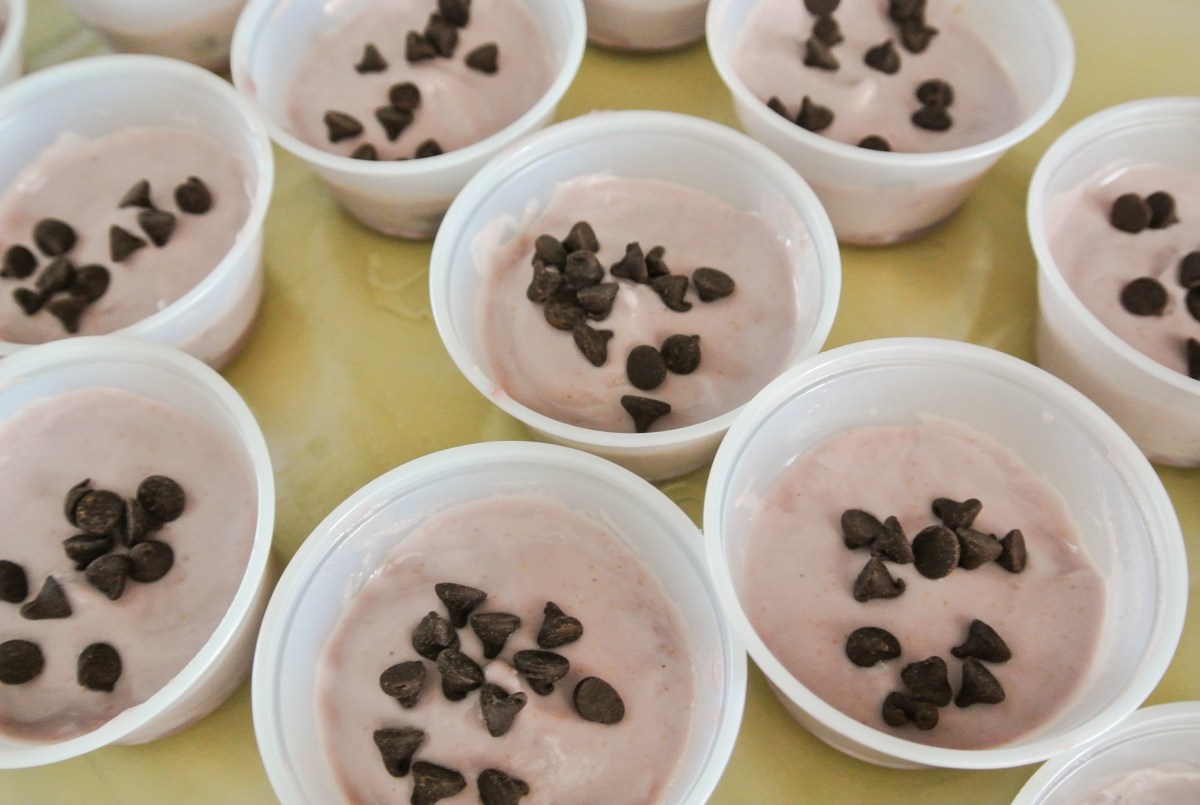
Cheesecake Fail Turned Happy Accident

As I mentioned in my nice cream post, cheesecake is a popular dessert among vegan cooks, chefs, and bloggers right now. Many that I follow are experimenting with recipes to create a dairy-free version of this classic dessert and are taking it up a notch by making it no-bake and sometimes, raw, too.

Turns out, a successful vegan cheesecake is not easy, and I have yet to join the ranks of those who have successfully gone before me, despite seemingly knowing my stuff. When I develop a new Fresh Formula, I do so through either through experimentation in my own kitchen, research among other vegan cooks, or a combination of both. From those that I follow, I learned that the “cheese” in such a vegan concoction is made possible with cashews and sometimes, coconut cream, two ingredients that I’ve been obsessed with of late (see my potato salad and nice cream formulas).

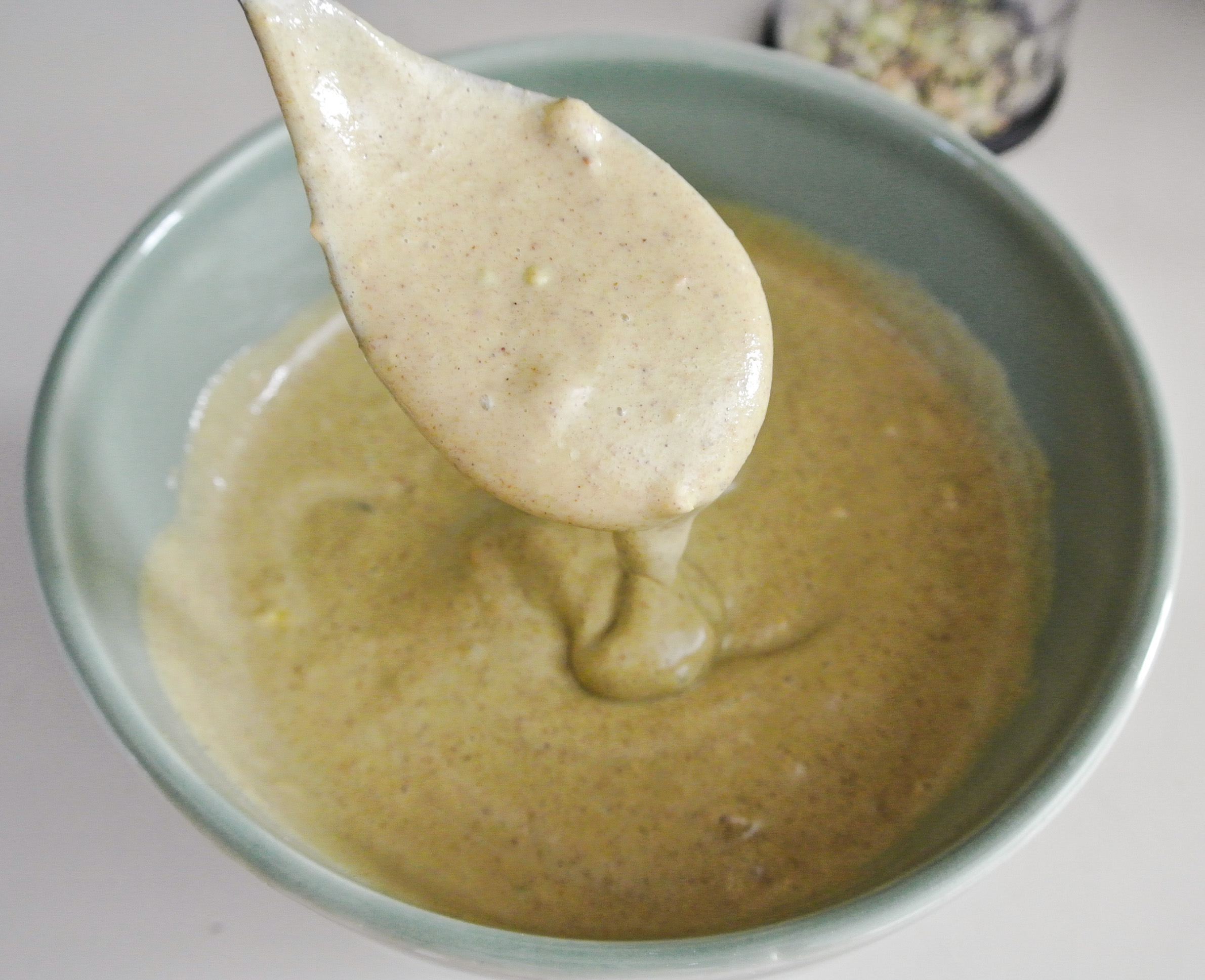
I developed a formula that I saw as the right balance between sweet, creamy, and decadent without going overboard in any one flavor profile. I tasted the filling as I went, making adjustments as necessary, and came up with a final product that I was sure was the cheesecake winner.

Well, everything was fine until I went to thaw my mini-cheesecakes (all of the recipes I researched stressed the need to freeze and then thaw them to secure the desired shape) and they melted. 😦 Somehow, other vegan cooks have figured out how to make these beauties hold their shape, just like a dairy cheesecake. I, however, have to yet to find success in form. What did happen, though, was amazingly delicious: mousse!

As you know, I already have one mousse formula that is tofu-based. This is a trusty standby for me as it holds its shape well and is jam-packed with protein. I’m not doing away with that mousse rendition; now, I just have more options! And, as far as protein content is concerned, nuts can hold their own, too, so I’m not “missing out” with my new formula.

This mousse formula—which I’m calling “Fruit Mousse,” as the other one is chocolate-based—does, however, contain more fat and sugar. These are natural, cholesterol-free fats and sugars, but two ingredients I try to use sparingly nonetheless. Point is, make this as a special treat and serve it at a party where you will no doubt impress the omnivores in attendance, too (that’s what I did and it was a huge hit…more to follow on that). I would recommend serving in individual containers since this mousse won’t keep its shape when sliced as a pie.

A quick note about citrus zest…You’ll notice that I’m using lemon zest in today’s mousse, in addition to lemon juice. Isn’t the juice enough? The zest packs a ton of added flavor and to me, is actually even more flavorful than the juice. Plus, I’m a huge fan of using as much of the fruit as possible, so there’s that. Finally, lemon zest, in particular, contains five to ten times more nutrients than the juice of the fruit, providing health benefits, too. Be careful when you zest not to grate your citrus fruit down to the white pith, which is bitter.

DSC_2350

All-in-all, while I don’t have a cheesecake in my fridge (I will keep trying!), I’m pretty happy with how my unexpected mousse turned out. One person’s fail is another person’s victory?! In this case, both of those people were me. J Enjoy!

FORMULA BASE: FRUIT MOUSSE

Makes 24 mini-cups

For the crust (optional):

  • ½ cup unsweetened dried fruit (no added oil) –> I’m using 5 pitted medjool dates.
  • ¼ cup raw, unsalted nuts/seeds –> I’m using pecans.
  • 1 ½ tbsps oil or nut/seed butter –> I’m using coconut oil.
  • ¼-½ tsp seasoning (spices, salt, etc.) –> I’m using ¼ tsp cinnamon and a pinch of pink Himalayan sea salt.

For the filling:

  • 1 ½ cups raw cashews, soaked in water overnight
  • 1 cup raw fruit –> I’m using ¾ cup raspberries and the juice of 2 lemons.
  • ½ cup coconut cream
  • ½ cup liquid sweetener –> I’m using raw agave syrup.
  • 1 tbsp oil* –> I’m using coconut.
  • ½-1 tbsp combination of spices, extracts, fresh herbs, etc. (optional) –> I’m using the zest of my 2 lemons and a quick splash of almond extract.
  • 2-4 tbsps garnish (raw seeds, nuts, herbs, spices, citrus zest, dried fruit, chocolate chips, etc.) (optional) –> I’m using mini-semisweet chocolate chips (vegan).

*I only used oil because all of the cheesecake recipes I researched called for some oil. I don’t know that it is essential to mousse, so you may be able to opt out of it. I won’t know until I try making this again at some point!

If using, put all of the ingredients into a food processor. Pulse until well-combined, but sticky. Press into your individual serving vessels of choice. I originally planned to make these in a mini-muffin pan and pop them out frozen to thaw, thus why you see them that way here. Later, when I realized that the mousse would not maintain a mini-pie shape after being popped out of the pan, I transferred each mousse to an individual plastic cup, which is where I would have started my crust to begin with, had I known what was going to happen. 🙂  Place crusts in the freezer to firm up.

DSC_2347

Drain and rinse your cashews. Put all of your filling ingredients (except the garnish, if using) in a blender and puree until silky smooth. Pour over prepared crusts, garnish, and place in the fridge to chill. Again, knowing what I know now, I would not use the mini-muffin pan! Make sure your individual mousse cups are in a container that you can put a lid on. Remove from the fridge when you’re ready to serve.

DSC_2352

Last-Minute Hummus, Two Ways

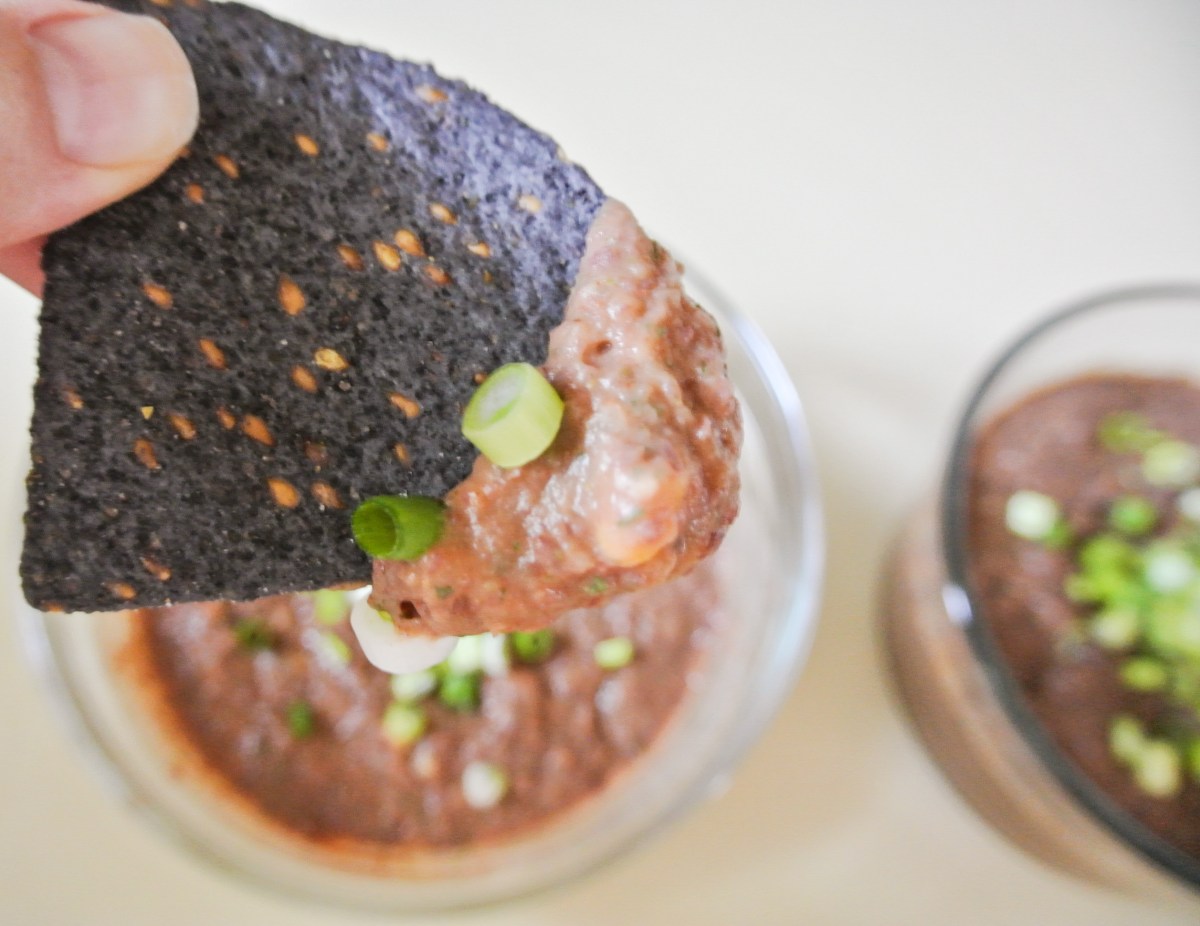
In small quantities, I’m all about raw onions – which promote skin elasticity, among other things. There’s something amazing, however, that happens to onions when they are sautéed or roasted that makes them just absolutely sweet and delicious. Today, I’m caramelizing them to puree in a fresh hummus.

A couple of days ago, I made some semi-last-minute plans to first, have a girlfriend over for some standard catching up and gossiping, and later, to take Nolan to a friend’s house for dinner. Always one to provide or contribute nosh and drinks, I had to think fast. What was in the pantry? The fridge?

With Travis out of town this past weekend, we forewent our typical weekly Bountiful Basket run on Saturday morning (I’m too preggo to lift all that produce at this point!), so I was surprisingly low in plant stock. I do, though, always have beans, onions, and garlic on hand, so I knew that I could throw together a quick appetizer for both of my events. Having bought tortilla chips for an upcoming party we are hosting (blog post to follow), I was ready to make hummus. I can always buy more chips before the weekend. 🙂

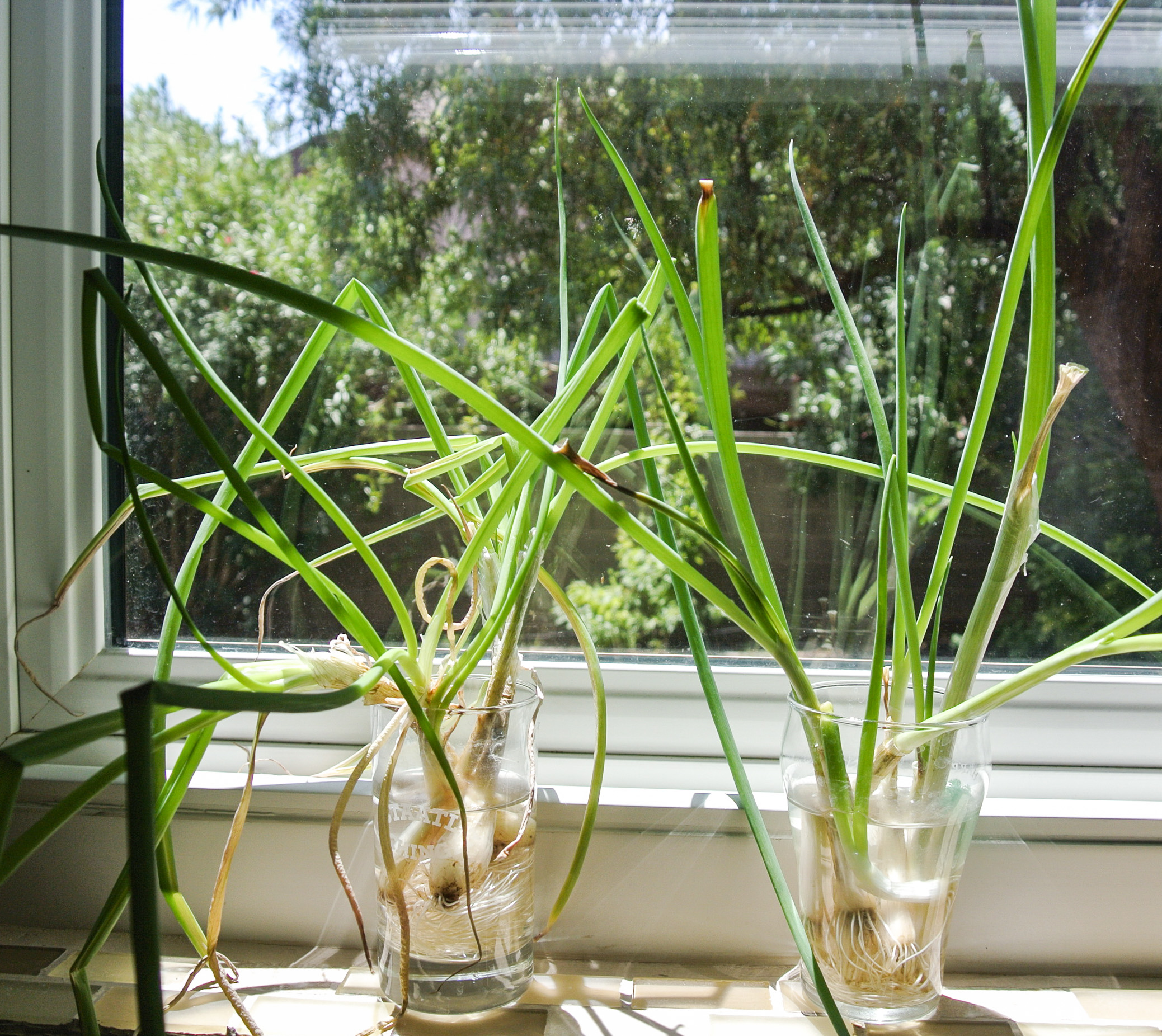
Another win found itself in the green onions that I noticed had blossomed to great heights on my windowsill. Remember when I shared my lettuce wrap formula with you? I encouraged you to save your green onion roots in a cup of water and watch them grow back. A month and half later, check out the jungle I have in my kitchen! I instantly thought of using these to garnish my hummus.

DSC_2330There’s nothing new or incredibly exciting to report in today’s post other than that I created two amazing hummus dishes with the sweetness of caramelized onions in less than 20 minutes with ingredients I already had on hand. Check out what you have, get creative, and a scrumptious result just may surprise you. Enjoy!

FORMULA BASE: HUMMUS

  • 2 cups cooked beans or lentils –>  I’m making two mini-batches of hummus, so I’m using a heaping cup of black beans for one and kidney beans for the other.
  • 2 cups cooked vegetables and/or raw herbs (or more beans and lentils, if you want to keep it simple) –>  I’m using ¾ cup coarsely chopped onions and ¼ cup frozen corn in both batches.
  • Approximately 1 tbsp oil, if including roasted/sautéed vegetables –>  I’m using coconut.
  • 2-4 cloves raw or roasted garlic –>  I’m using 2 cloves in each batch.
  • ¼-½ cup citrus juice –>  I’m using the juice of 2 limes in each batch.
  • 1 tbsp tahini (optional) –>  I’m not using it for this particular recipe.
  • Spices, salt, and pepper to taste –>  I’m using 1 tbsp dried cilantro, 1 tsp chili powder, 1 tsp paprika, ½ tsp cumin, and a pinch of pink Himalayan sea salt in each batch.
  • Liquid (water, oil, vegetable stock, vinegar, or more citrus juice) as needed until desired consistency is achieved –>  I’m not using any.
  • SPECIAL ADDITION:  thinly-sliced green onions

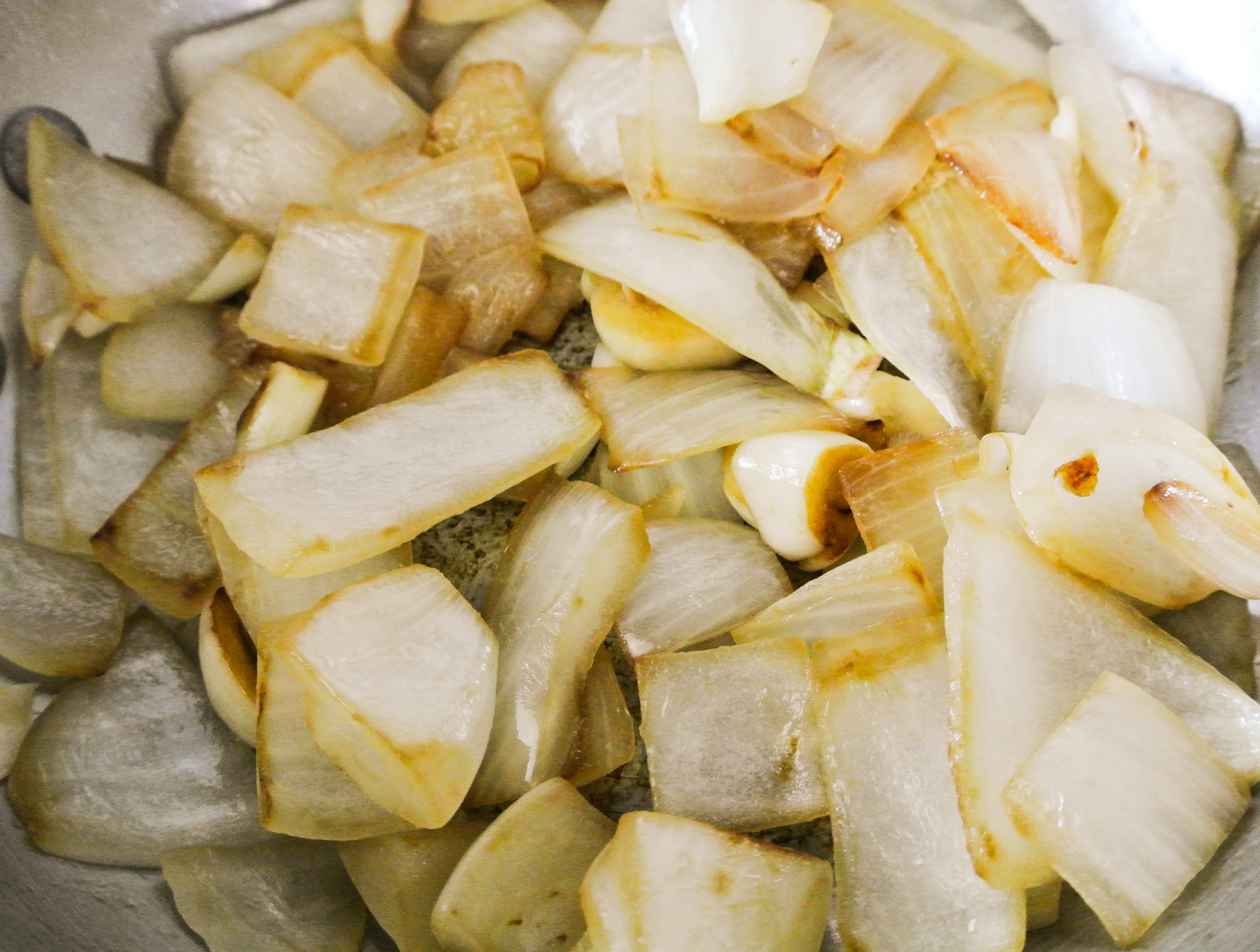
If using, peel if necessary and coarsely chop your vegetables. Decide on a cooking method that works best for the particular vegetable(s) you’re using and have at it. Today, I’m sautéing my onions and garlic.

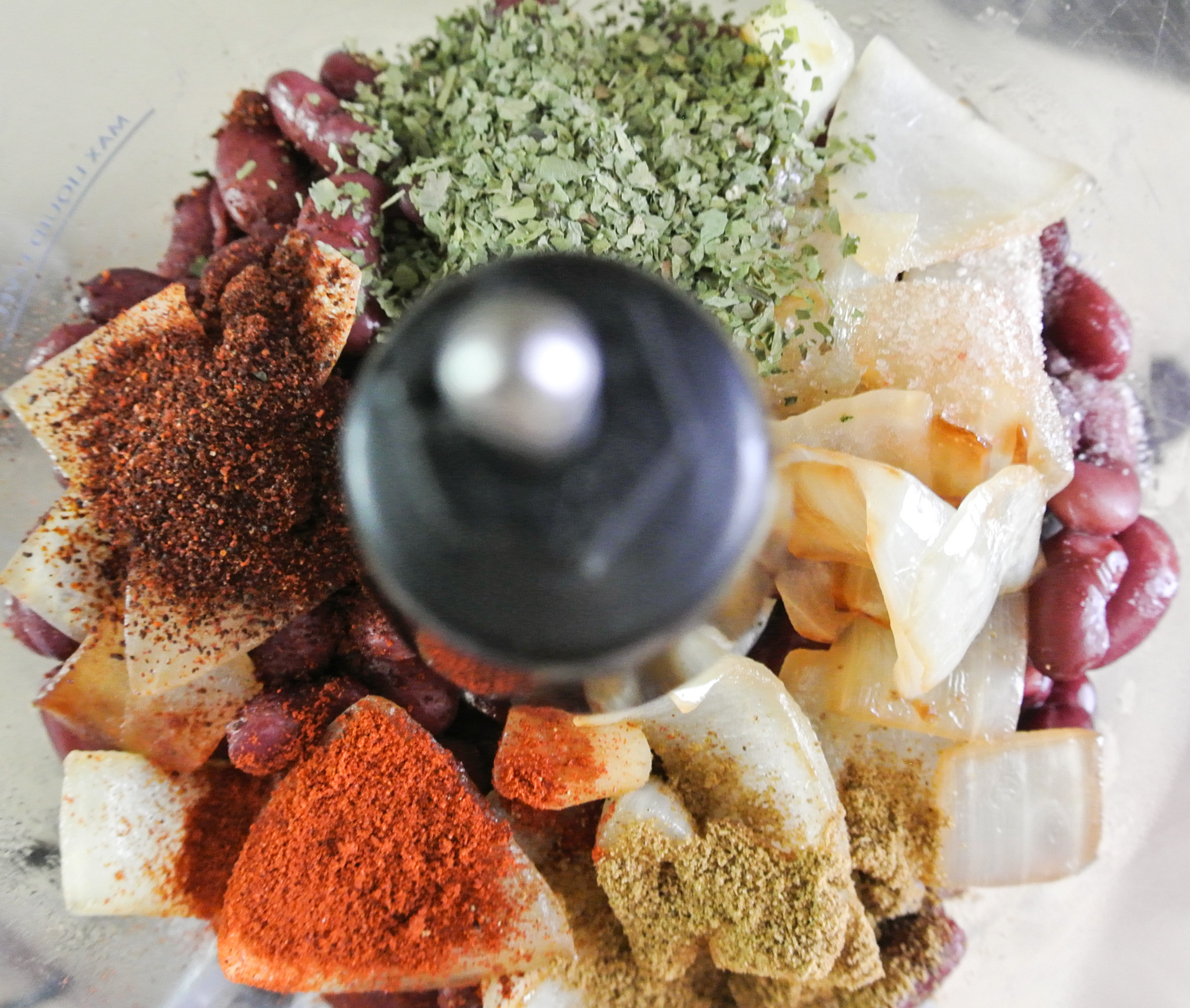
DSC_2332When the veggies are finished, put all ingredients (except the corn and green onions, in today’s rendition) in a food processor and puree until smooth.  Today, I had to repeat this process for the second batch.

DSC_2334

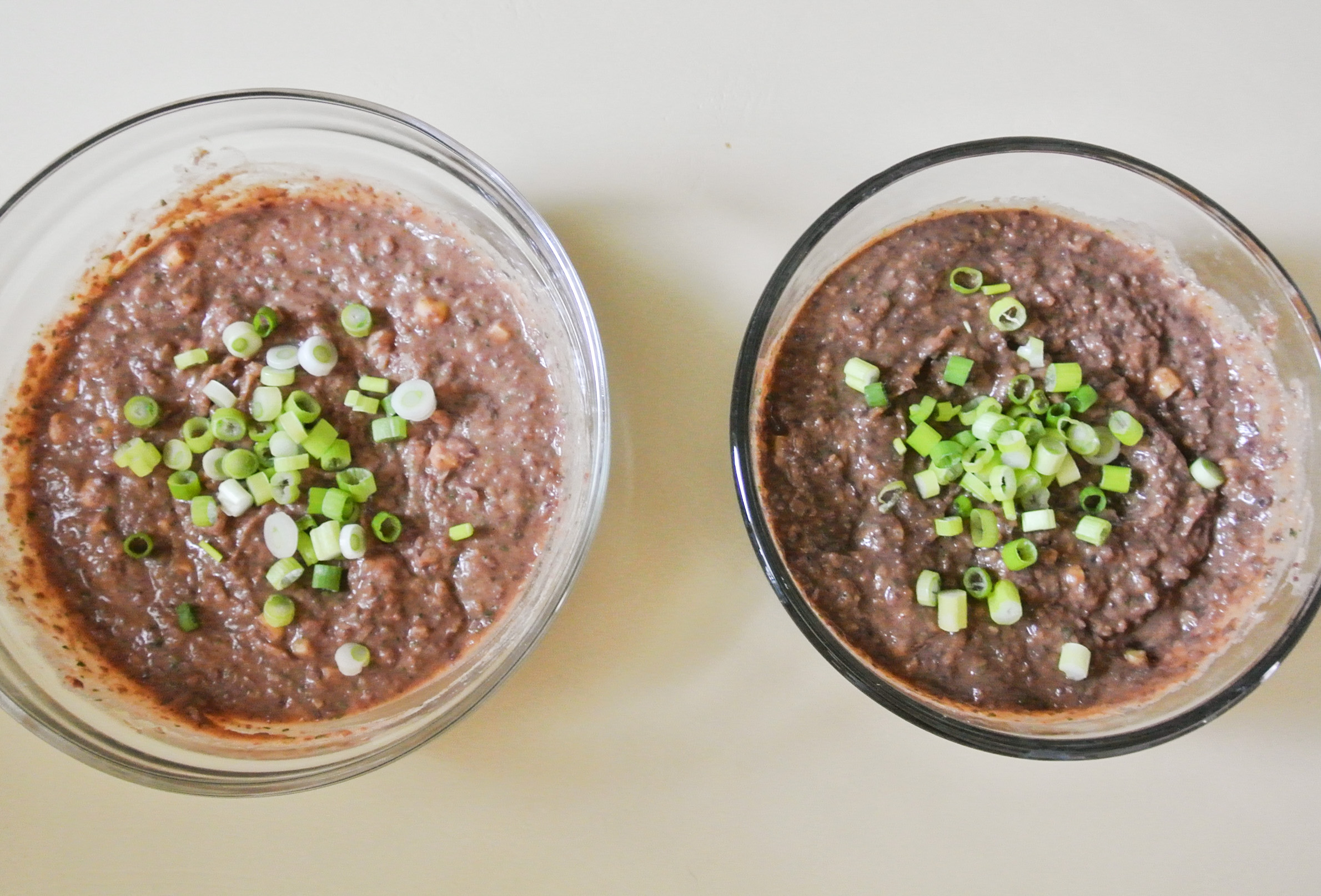
Stir in the corn and garnish with green onions. Chill for an hour and serve as a dip or use as a spread (just like my pesto or creamy dressing formulas).

Store in the fridge for 3-4 days. Hummus has a tendency to dry out and/or thicken the longer it sits. Enjoy!

DSC_2339

Eggplant As You’ve Never Seen It Before

Oh, eggplant. I’m sure I’m not alone in stating that it isn’t my favorite vegetable. Up until recently, I’ve only been able to think of a handful of ways to make it truly delicious and appetizing. One of those methods includes breading and frying it in classic eggplant parmesan. Totally scrumptious, yes, but this popular Italian vegetarian dish contains so many unhealthy components that the benefits of the eggplant practically become negated.

When Nolan was just beyond eating only pureed fruits and veggies and on to soft whole foods, I thought that eggplant would make for a unique sauce. Since I was so used to pureeing it for him anyway, I imagined that flavoring it up and pouring it over pasta would make it more appetizing for me, too.

I’m happy to report that that early kitchen experiment was a success. When I had leftover cashew cream from last week’s potato salad, I got creative in taking my original eggplant pasta sauce up a notch. The addition of the cashew cream provided for a dairy-like richness that reminds me of an alfredo, sans all of those animal products.

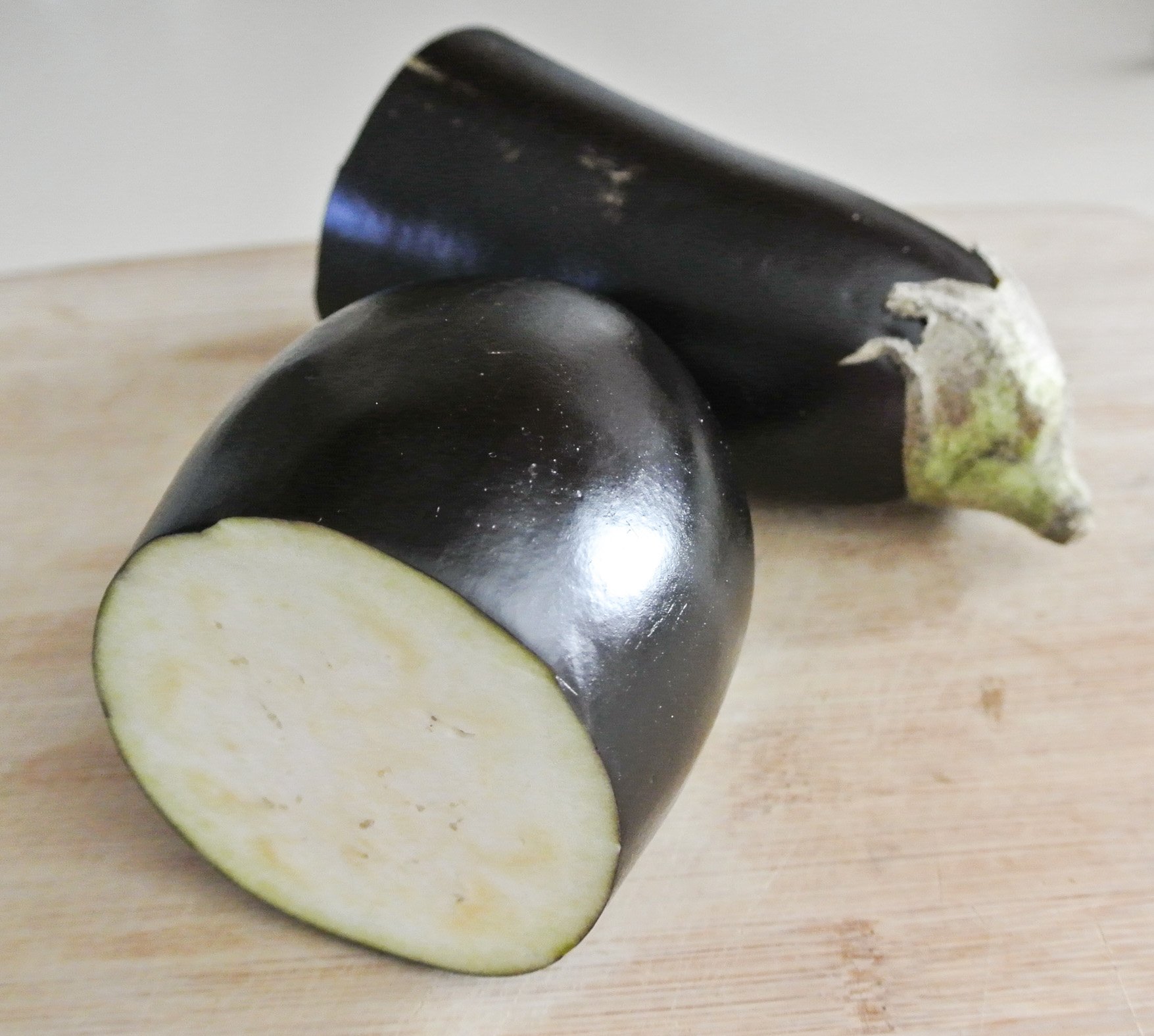
If you, too, are struggling to make the best of the mysterious purple vegetable that, in fact, is nothing like an egg at all, today, you are in luck! While an appealing flavor and texture transformation might be reason enough to make this pasta sauce, the eggplant contains a whole host of health benefits. First, it contains cholorogenic acid, known to prevent healthy cells from mutating into cancer cells and also a key player in lowering bad cholesterol. Secondly, it is low calories, but high in fiber, vitamins, and minerals. Its blandness—like the russet potato—is an ideal blank slate for something like a pasta sauce.

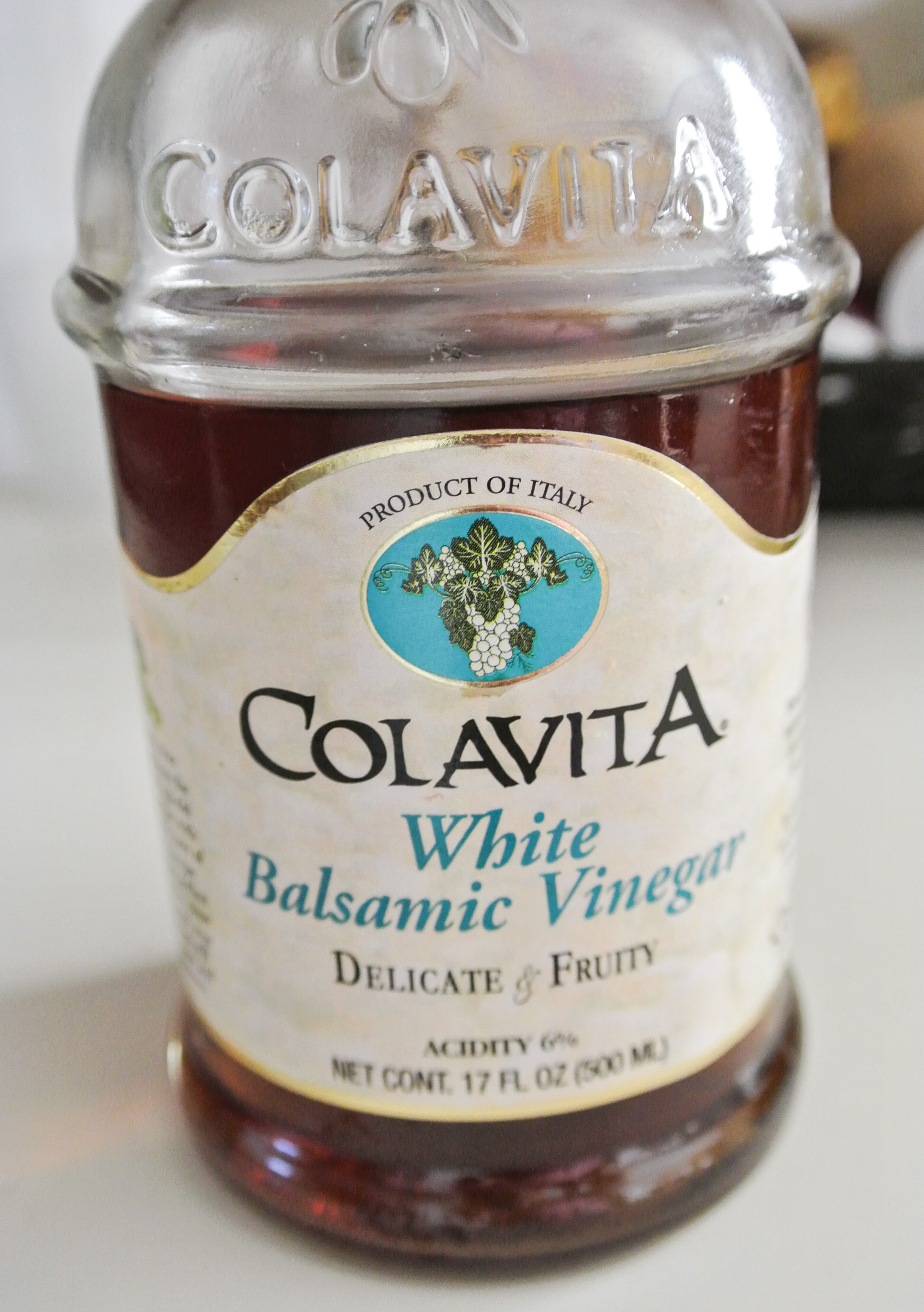
DSC_2323In other news, you’ll see that this formula calls for some type of acid. I have found that just a touch of something acidic really brightens the sauce, resulting in a creamy pasta experience that won’t leave you feeling heavy and bloated. Today, I’m using white balsamic vinegar; white, simply to maintain that alfredo-like, off-white color. Check out my multi-grain salad formula for more info on the health benefits of vinegar and this brand, which is my go-to:

DSC_2325Truthfully, this formula is in its newborn stages and I’m not sure how it would hold up to substituting different vegetables, but I imagine that it’s the cashew cream that brings it together. Point is, if you pureed nearly any cooked vegetable with the cashew cream, I think that you would achieve a similar sauce (in consistency, at least). Try this out with eggplant first and see how it goes with another of your favorites that you have been fruitless in repurposing. Enjoy!

FORMULA BASE: VEGETABLE PASTA SAUCE

Yields sauce for one box of pasta

  • 2 cups coarsely chopped raw vegetables –> I’m using eggplant.
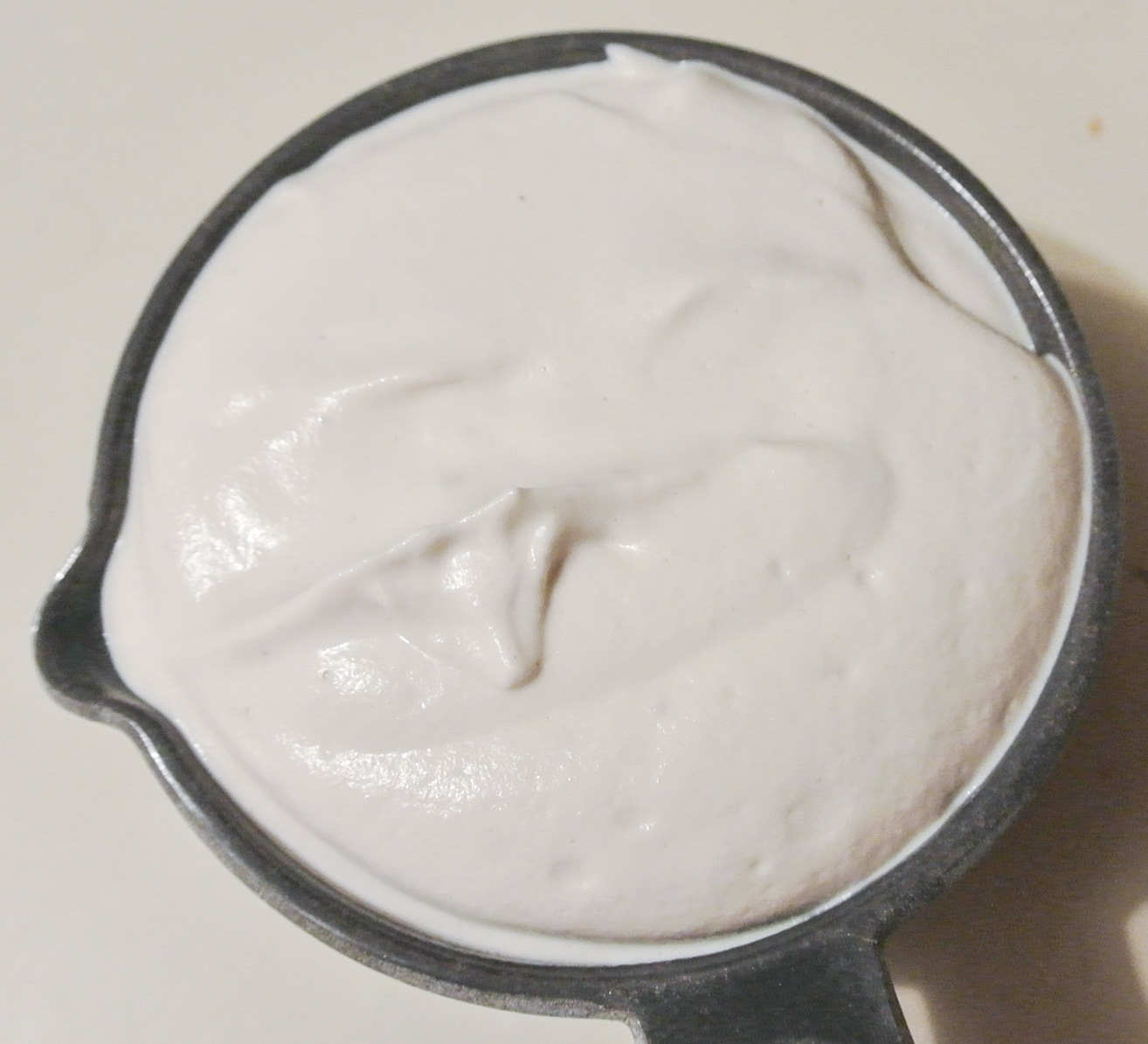
  • ½ cup cashew cream (soak raw cashews overnight, drain, and blend with just enough water to form a thick cream)
  • 2 tbsps nutritional yeast
  • 1 tbsp acid (i.e. vinegar, mustard, citrus juice, etc.) –> I’m using white balsamic vinegar.
  • ¼-1 tsp seasoning (i.e. fresh/dried herbs, spices, etc.) –> I’m using ¼ tsp ground nutmeg.
  • Pink Himalayan sea salt and fresh ground pepper to taste –> I’m using approximately ½ tsp salt and several turns of pepper.

Peel (if necessary) and chop your vegetables. Steam, roast, or boil (I’m steaming) to cook. The Baby Bullet Steamer: not just for baby food! 🙂

DSC_2324While your vegetables are cooking, bring a pot of water to a boil and prepare your pasta of choice. When the vegetables are finished, combine with all other ingredients (except the pasta, of course!) in a blender and puree until smooth and creamy.

DSC_2326

Pour atop your pasta (or use in another application) and enjoy immediately for most desirable consistency. It will keep just fine in the fridge, but will dry out a bit.

DSC_2327

If You Like Piña Coladas…

This post and the next will feature creative uses for leftovers. Truthfully, we don’t often have leftovers of anything in our house—plant eaters consume a lot—but there are occasionally quantities remaining of something we used for a specific, measured application. Today, I’m using leftover coconut whipped cream from my pistachio nice cream sundaes.

If you know me—or at least if you read about my curry formula—you know that I don’t like coconut. Not the flavor, not the texture, not the scent. Well, pregnancy does weird things to a girl and right now, I can say that I have a small affinity for this tropical fruit. I’m not running out to the store to gobble up all things coconut, but I have enjoyed a few coconut macaroons and couldn’t believe that I voluntarily topped my pistachio nice cream with coconut whipped cream the other day and enjoyed it! (I made it for my husband and son and just thought I would give it a try. Unexpected yumminess!)

Because I don’t typically like coconut, I would never order a piña colada. Pineapple, coconut, and rum are the primary flavors in this classic cocktail; two out of three are okay by me, but I find that when you don’t like something, it’s all you can taste. Given my newfound—albeit, possibly temporary—appreciation for coconut, I all of a sudden knew what I wanted to make with my leftover coconut whipped cream: piña colada dessert smoothies (virgin, of course)!

Despite being high in saturated fat (consume sparingly), coconut cream has many health benefits that might help you to justify the occasional splurge. This decadent plant-based treat is high in fiber, vitamins B, C, and E, and many essential minerals. You can add it to your favorite recipe right from the can or beat it and store in the fridge for several weeks. Days after whipping up a batch, I was amazed to see my coconut cream even fluffier than it was on the first day!

Fluffiness, of course, isn’t really important when it will be blended up in a smoothie, but I still found it pleasantly surprising. Another pleasant flavor component in the traditional piña colada is a garnish of ground nutmeg, which I am also using to top today’s smoothie. Nutmeg is high in fiber, copper, and manganese and has a truly unique flavor. I once heard Rachael Ray describe this wonder seed as that ingredient that makes your taste buds go “Hmmmmm.” It is even tastier freshly ground.

DSC_2317While I’m definitely missing the rum (and the wine and the beer and…), I’m happy to cool off with a piña colada that my whole family can enjoy!

FORMULA BASE: DESSERT SMOOTHIE

Serves 2-3

  • 2 frozen bananas (or fresh bananas and ice)
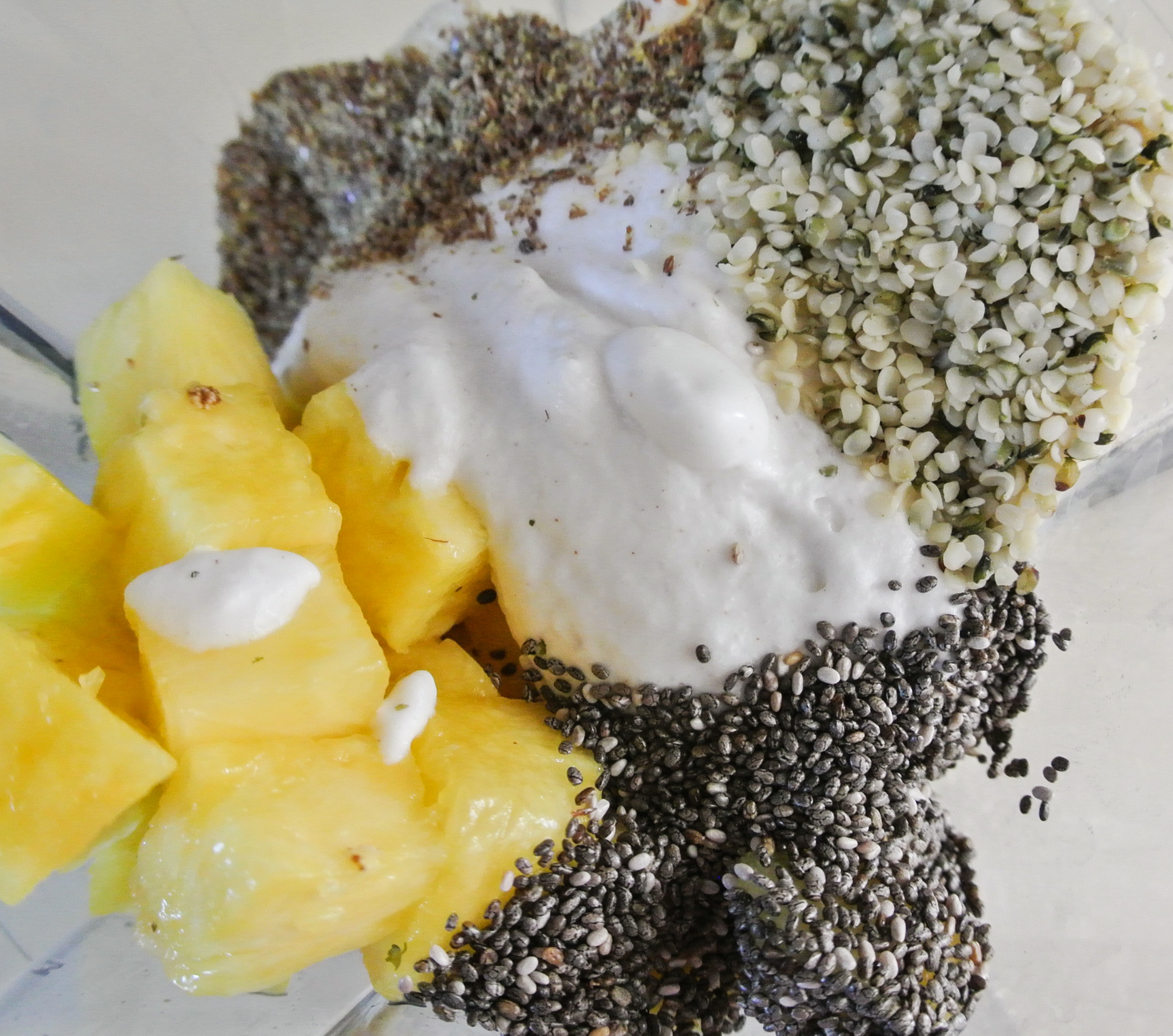
  • ½-1 cup specialty ingredients –> I’m using ½ cup diced pineapple and ½ cup coconut whipped* cream.
  • 1 tbsp chia seeds
  • 1 tbsp ground flax seeds
  • 1 tbsp hulled hemp seeds
  • ¼-½ tsp extract of choice (optional, and amount depends on flavor intensity) –> I’m using ¼ tsp almond.
  • Pitted medjool dates as needed for sweetness –> I’m not using any as my whipped cream is already sweetened. I probably would if it weren’t.
  • Juice or plant milk until desired consistency (start with 2 oz) –> I’m using almond.
  • SPECIAL ADDITIONAL: Nutmeg for topping

*You could just use coconut cream that has not yet been prepared as whipped cream. Remember, I’m trying to use leftovers.  🙂

Blend all ingredients until smooth. Top with more whipped cream and a sprinkle of ground nutmeg.

DSC_2318 DSC_2321

Cashew Cream Potato Salad

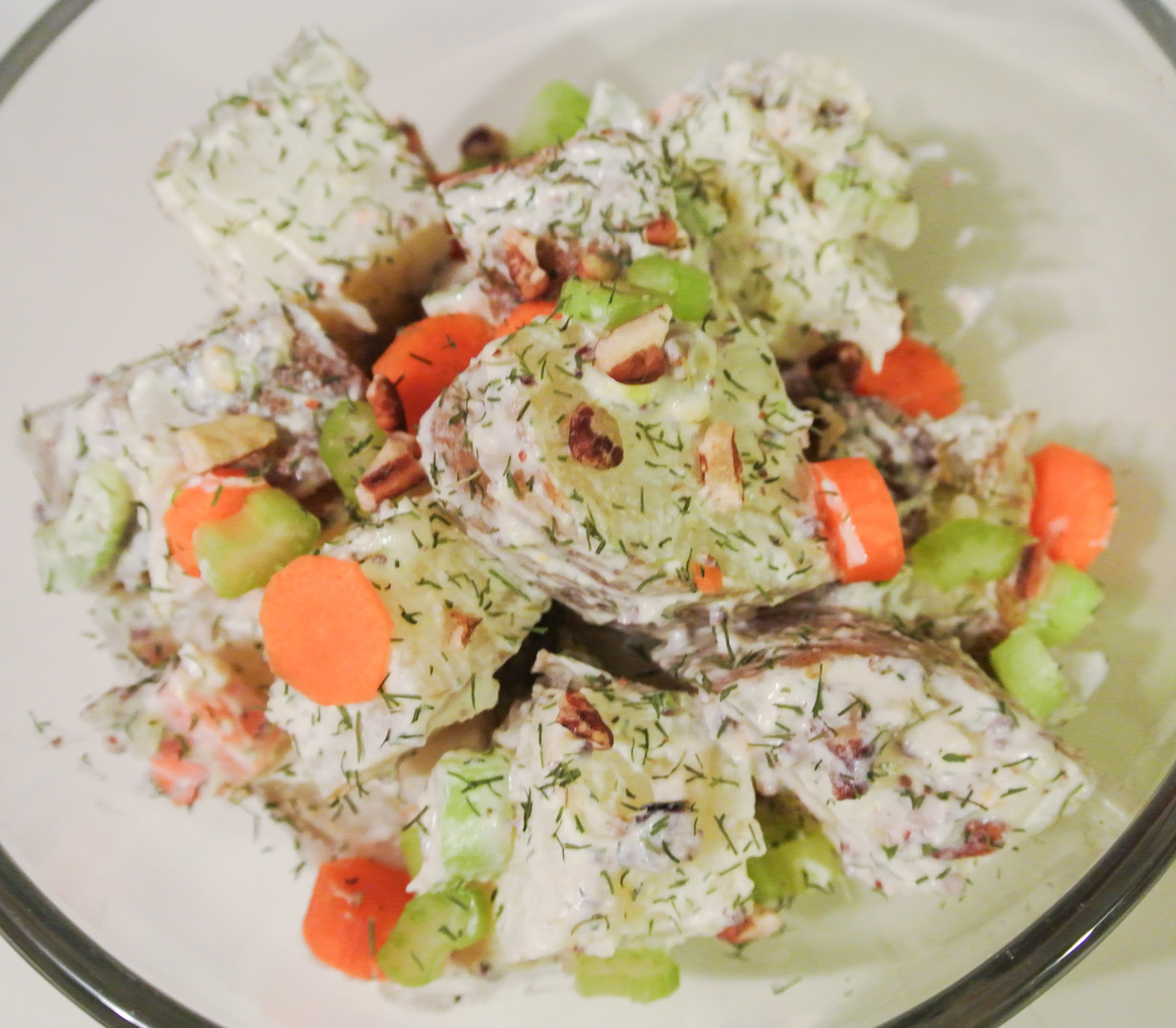
I see vegan cooks using cashew cream as a substitute for dairy in both sweet and savory applications all over the place lately, so much so that I knew I just had to try it for myself. After making my first batch of the stuff, I really couldn’t believe how smooth and decadent it was. I immediately thought to the russet potatoes I had sitting on my counter and thought of trying my hand at a creamy potato salad.

Potato salad typically gets its creaminess from mayo, which I find transforms into an unappealingly oily consistency the longer that it sits. Yes, if you’ve ever been to a good old American barbeque or cookout, you know that potato salad tends to sit…for a while. Even if everyone has a healthy helping, there always seems to be tons of it left over.

I’m happy to report that using cashew cream in lieu of mayo will keep your potato salad leftovers fresh and creamy. In addition, cashews are nutritious and versatile. These super nuts contain an abundance of antioxidants, are excellent sources of copper and vitamin K, and can even help to lower blood sugar and cholesterol. They can be used in everything from trail mix to brittle to vegan cheesecake (a future blog post) and today, as “mayo.” Just blend raw cashews with water; it’s that simple!

DSC_2305 DSC_2308

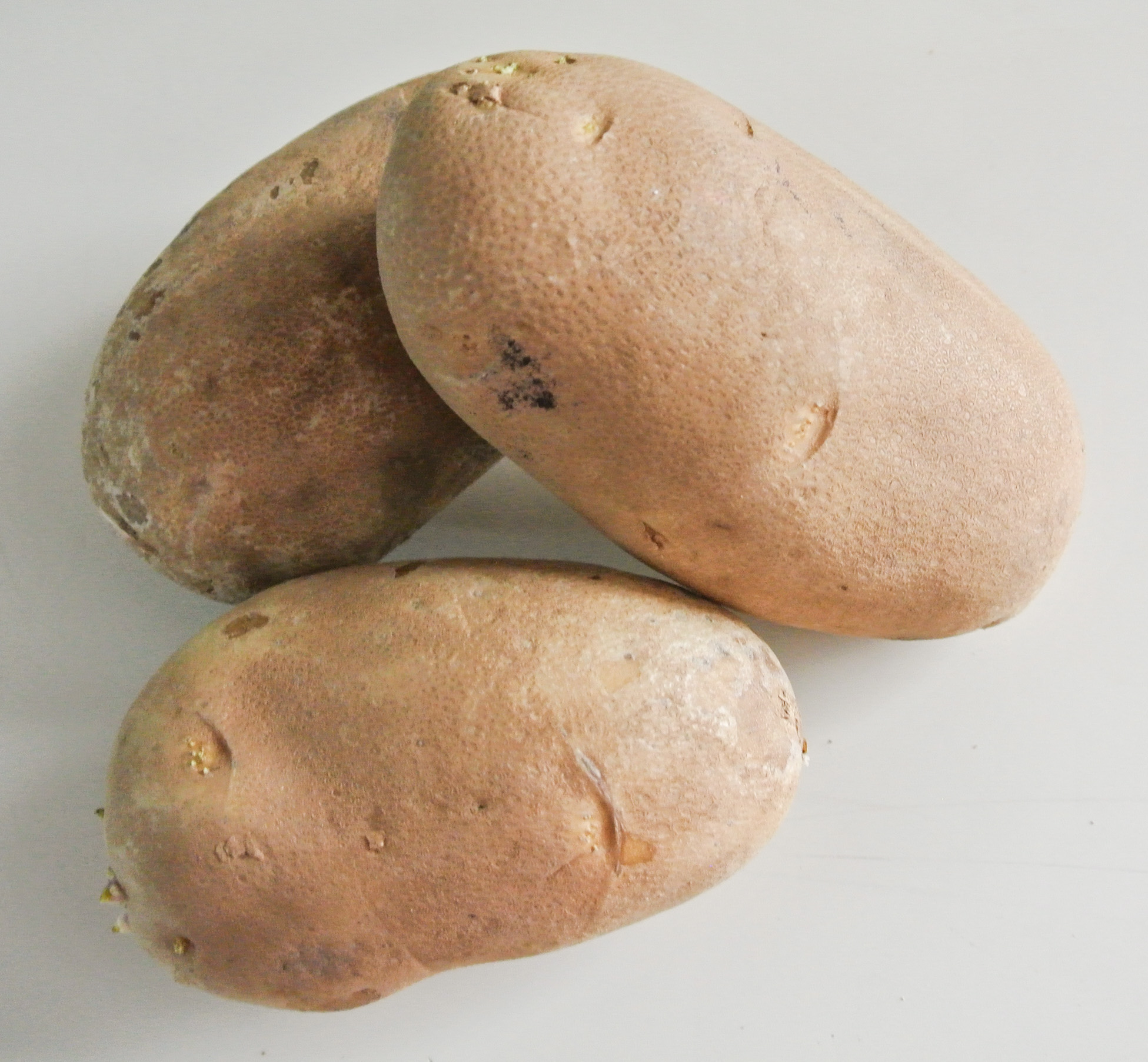
The other major component of my potato salad is, naturally, the potato. Today, I’m using russets so that I have a blank flavor palate to start with, but you could certainly use a sweet potato, yam, or potato of a different color or texture. Because, in America at least, the russet potato is often used in relatively unhealthy dishes like fries and chips, it has developed a poor reputation. The reality, however, is that the russet is quite the super food.

One large russet contains about a third of your recommended daily intake of vitamin C, niacin, magnesium, and phosphorous. It’s low in calories, high in fiber, and the perfect canvas for endless kitchen experiments. Want to maximize the nutritional benefits of your russets? Leave the skin on! Roast it and it becomes crispy, or, in today’s potato salad, hide it almost entirely in our cashew cream.

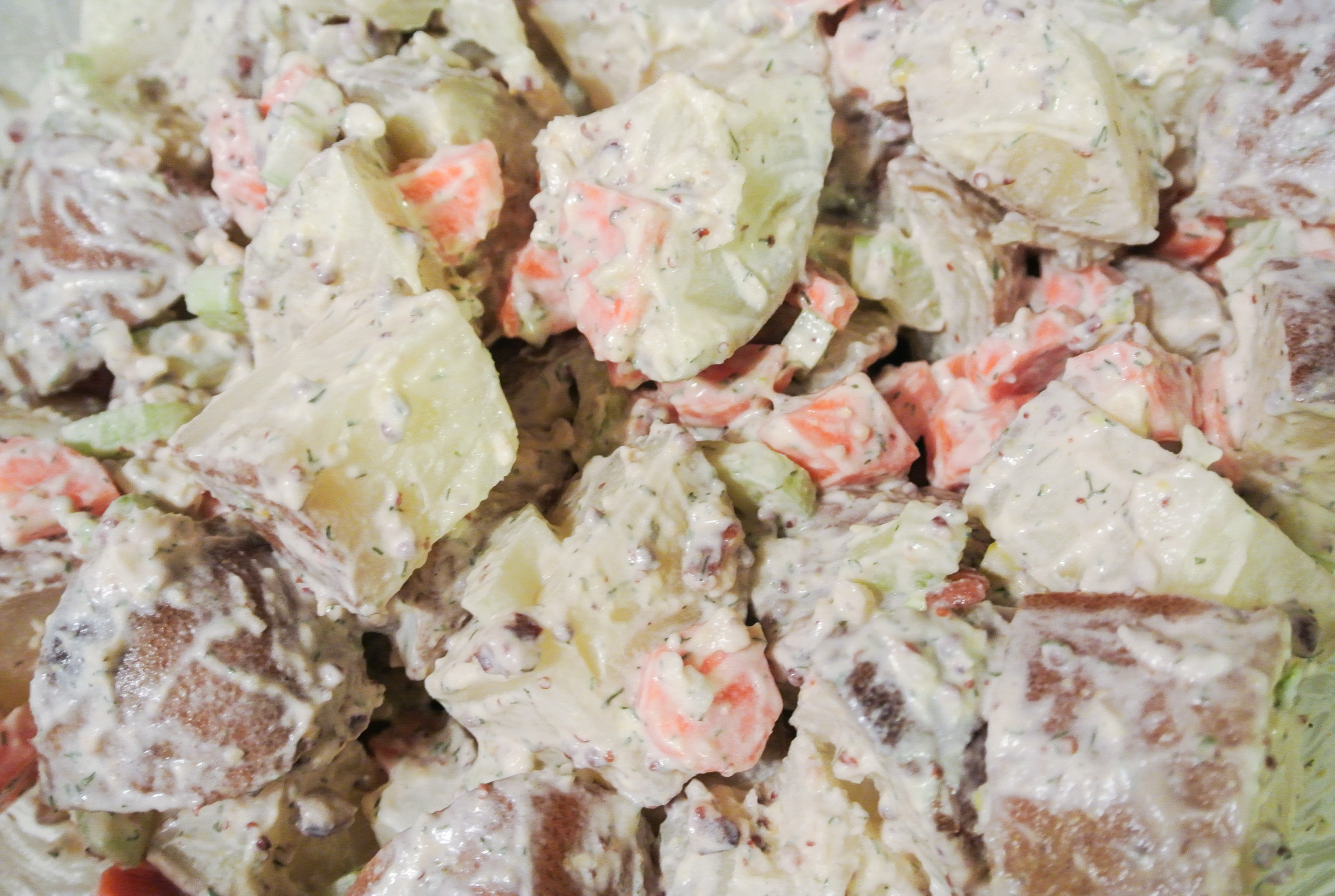
DSC_2304Since I touted my rendition of creamy potato salad for its ability to hold up at the family picnic, you should know that it tastes even better the second day. 🙂 Enjoy!

FORMULA BASE: POTATO SALAD

Serves 4-6

  • 2 pounds potatoes –> I’m using russets.
  • 2 cups diced raw vegetables –> I’m using 2 medium carrots and 2 large ribs of celery.
  • A double batch of my creamy salad dressing (see below)
  • ¼ cup crunch (raw seeds, nuts, etc.) (optional) –> I’m using pecans (and a small amount of pistachios leftover from my nice cream recipe earlier this week).

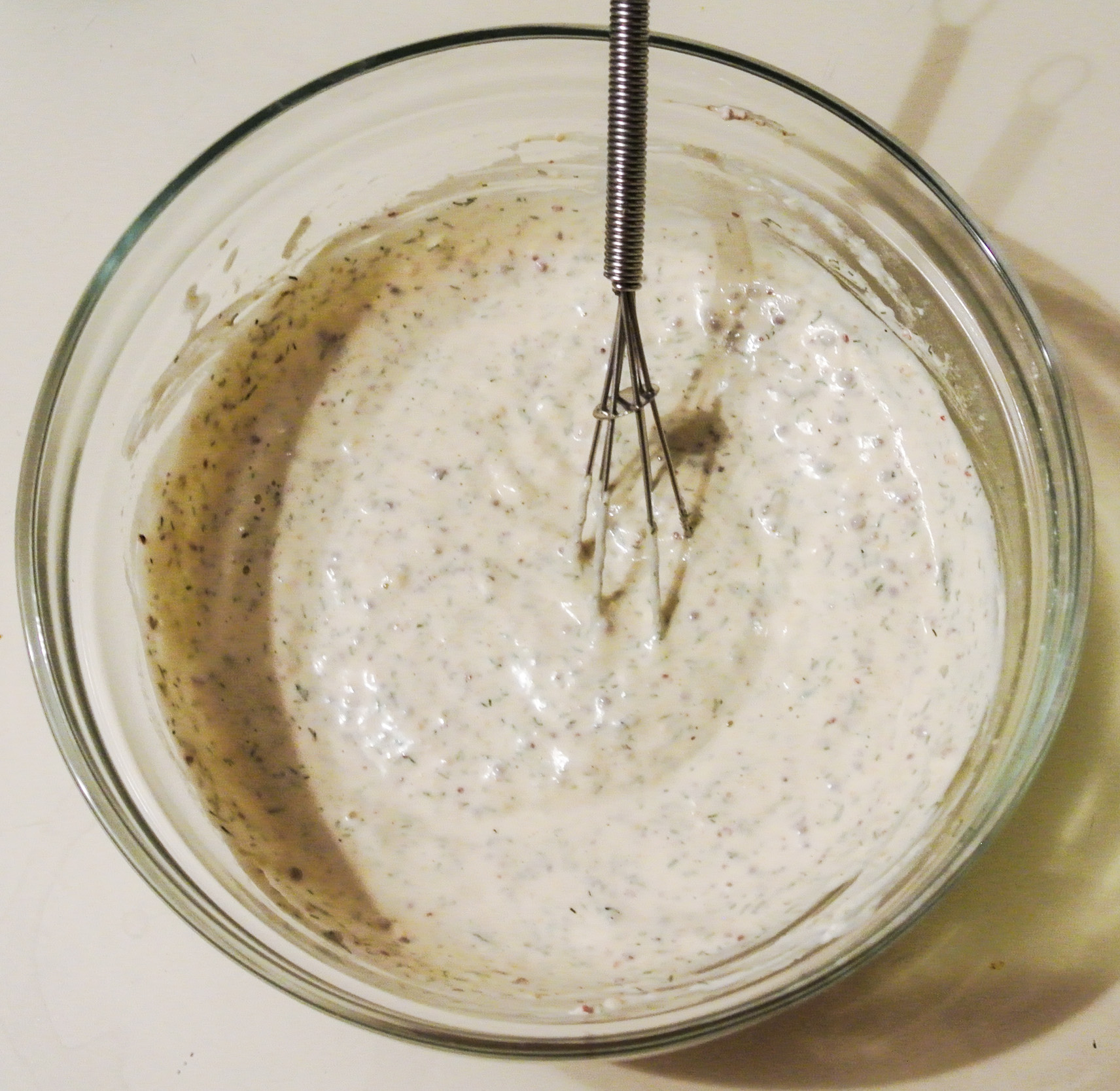
For the dressing (NOTE: Formula already doubled below.):

  • ½ cup seed or nut butter –> I’m using cashew cream (soak raw cashews overnight and blend with just enough water to form a thick cream).
  • 5 tbsps acid (citrus juice, vinegar, mustard, or a combination) –> I’m using half freshly squeezed lemon juice and half whole grain mustard.
  • Thinning liquid as needed (ideas: homemade veggie stock, water, or more acid) –> I’m not using any.
  • Up to 4 tbsps raw garlic and/or fresh/dried herbs and/or spices (optional) –> I’m using 2 ½ tbsps minced garlic and 1 tbsp dried dill.
  • 1-2 tsps sweetener (optional) –> I’m using 1 tsp agave syrup.
  • Pink Himalayan sea salt and pepper to taste –> I’m using ¼ tsp salt and no pepper.

Thoroughly wash your potatoes so that you can keep the skin on. Chop into bite size pieces and steam, boil, or roast (I’m boiling). While your potatoes are cooking, make your dressing. Cover and place in the fridge for the flavors to come together.

DSC_2309

When your potatoes are done cooking, drain (if necessary) and place in a glass bowl to chill in the fridge, at least to room temperature. While the potatoes are cooling, chop your veggies and crunch element, if using.  After the potatoes have cooled sufficiently, pour your dressing on top and stir gently to combine. Enjoy for several days (if you have any leftovers!).

DSC_2311 DSC_2314

We All Scream for Nice Cream!

So, I thought I was the only vegan/almost-vegan/vegetarian blogger obsessed with making dessert right now, but I have come to realize that with the heat of summer, I am not alone. I follow many plant-based dieters on social media and I see two popular desserts surfacing over and over again: cheesecake and ice cream.

Obviously, these traditional dessert names can be deceiving as there is no cheese in a vegan cheesecake and no cream in vegan ice cream, but you get the idea. Those in the plant-based world are finding healthy, natural, and creative ways to mimic the qualities we have come to love in dairy products. This is not to say that the flavors and the textures are exactly like those of the animal-based variety; they are, however, rich, decadent, just as a satisfying, and most importantly, much healthier.

Have a sweet tooth? Hot? Pregnant? Frustrated with pregnant partner? Bad day at work? Need a special treat for a party or group of kids? Love ice cream, but watching your figure? All of the above? It’s time to make vegan ice cream! I see vegan bloggers typically use two titles to describe their plant-based freezer creations: nice cream or nana ice cream. I’m going with nice cream because I am an English instructor by day and puns are the jam. 🙂

The second mock ice cream title does appeal to me, however, in its description of the ice cream base: bananas. That’s right: our nice cream gets its creamy consistency from frozen bananas. Good news is if you’ve mastered my dessert smoothie formula (this one is very similar), you’re ready to make nice cream! Less liquid + more chunky ingredients topped with chocolate sauce and whipped coconut cream will allow for more of a sundae experience, whereas the smoothie mimics a milkshake.

In order to be ready to make nice cream (or dessert smoothies) any time, I peel and chunk ripe or overripe bananas to keep in the freezer. I would highly recommend having a couple chilling at all times, but this is a great strategy if you have a few bananas that are on their way out and you don’t think you’ll eat them in time. (If I don’t pop overripe bananas in the freezer, I quickly whip them up into a batch of my super food muffins).

DSC_2289The banana is an amazing potassium-loaded, naturally sweet and creamy, and inexpensive fruit that has endless uses. Making a batch of nice cream will not only change the way that you view dessert, but it is so much easier to make that dairy-based ice cream, which often involves a machine and lots of waiting. As of late, when I want dessert, I want it now. 🙂

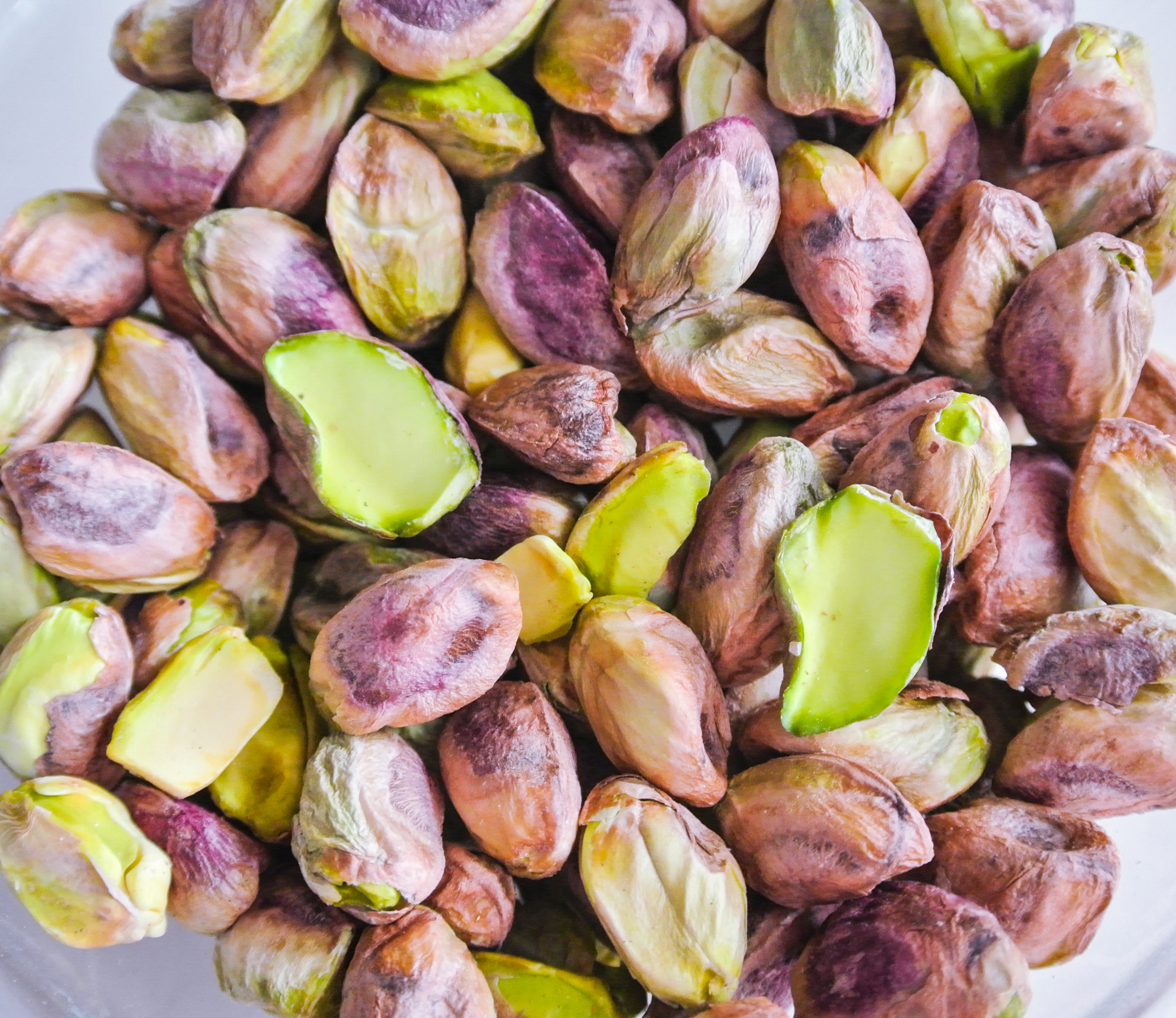
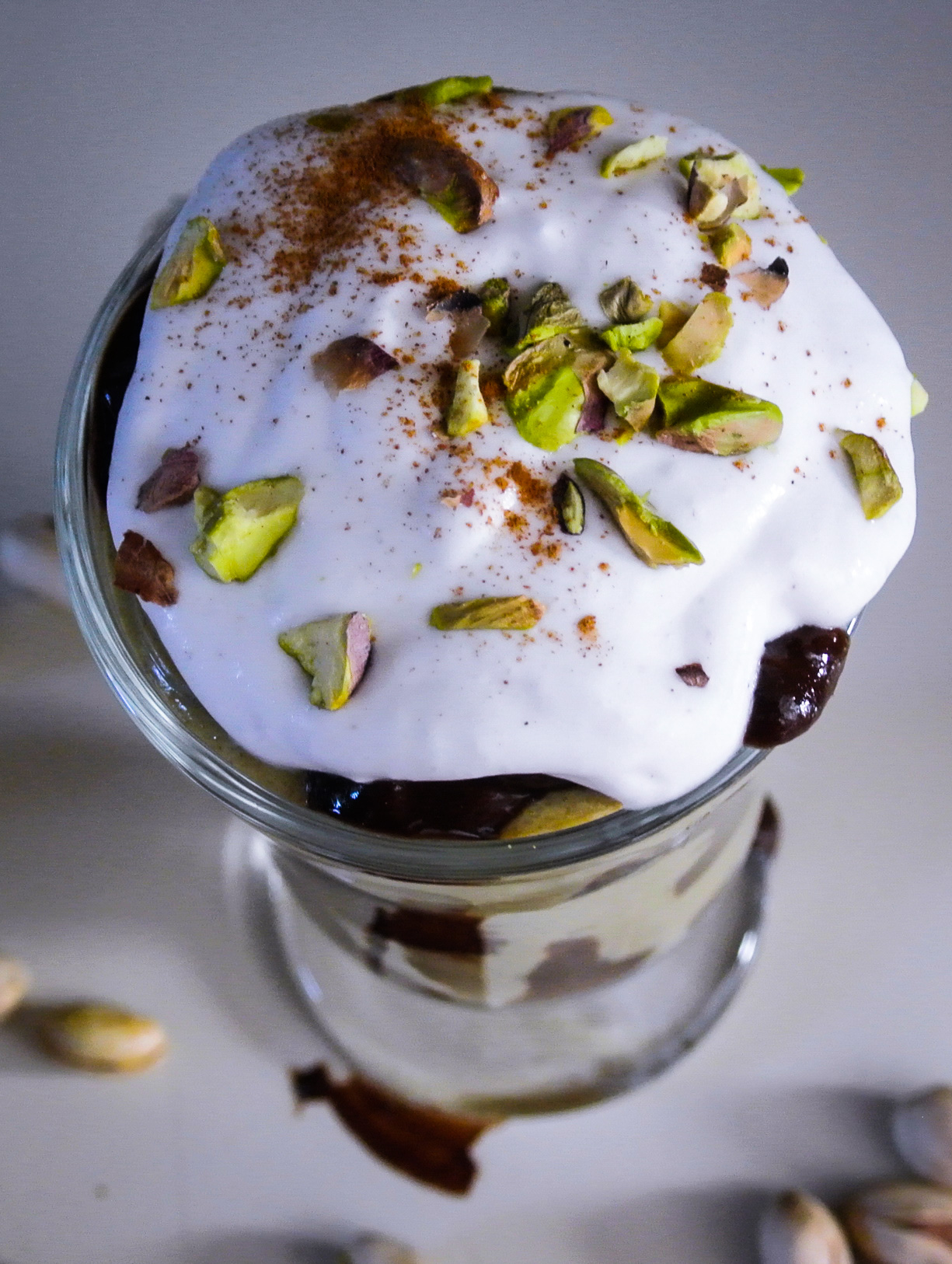
Today’s rendition features one of my favorite nuts: the pistachio. It’s amazing green color not only represents so much of what I stand for in life (plant-based living and the Michigan State Spartans, to name a couple!), but it signifies that pistachios are loaded with antioxidants. They are also a rich source of fiber, vitamin B6, copper, and manganese. Nuts are among my favorite super foods!

DSC_2288If you’ve got a blender or food processor and some bananas on hand, and you’re comfortable with my dessert smoothie formula, you’re ready to scream for nice cream. Here we go…

FORMULA BASE: NICE CREAM

Serves 3-4

  • 2 frozen bananas (or fresh bananas and ice)
  • ¾-1 cup specialty ingredients –> I’m using ¾ cup unsalted pistachio meats + ¼ tsp cinnamon.
  • ¼-½ tsp extract of choice (optional, and amount depends on flavor intensity) –> I’m using ¼ tsp almond.
  • Pitted medjool dates as needed for sweetness –> I’m using 2.
  • Juice or plant milk until desired consistency (start with just a splash) –> I’m using almond.
  • ¼ cup extras for mixing in by hand (optional) – think nuts, dried fruit, chocolate chips, etc. –> I’m using more unsalted pistachios, finely chopped.

If you plan to make whipped cream to accompany your nice cream, place a mixing bowl in the fridge to chill while you prepare the other components.Combine all ingredients (except the extras) in a blender or food processor and puree until smooth. Scoop the mixture into a bowl and fold in any extras you are using by hand. Cover and place in the freezer while you prepare your toppings (if any).  Your nice cream base will thicken in the freezer.

DSC_2290

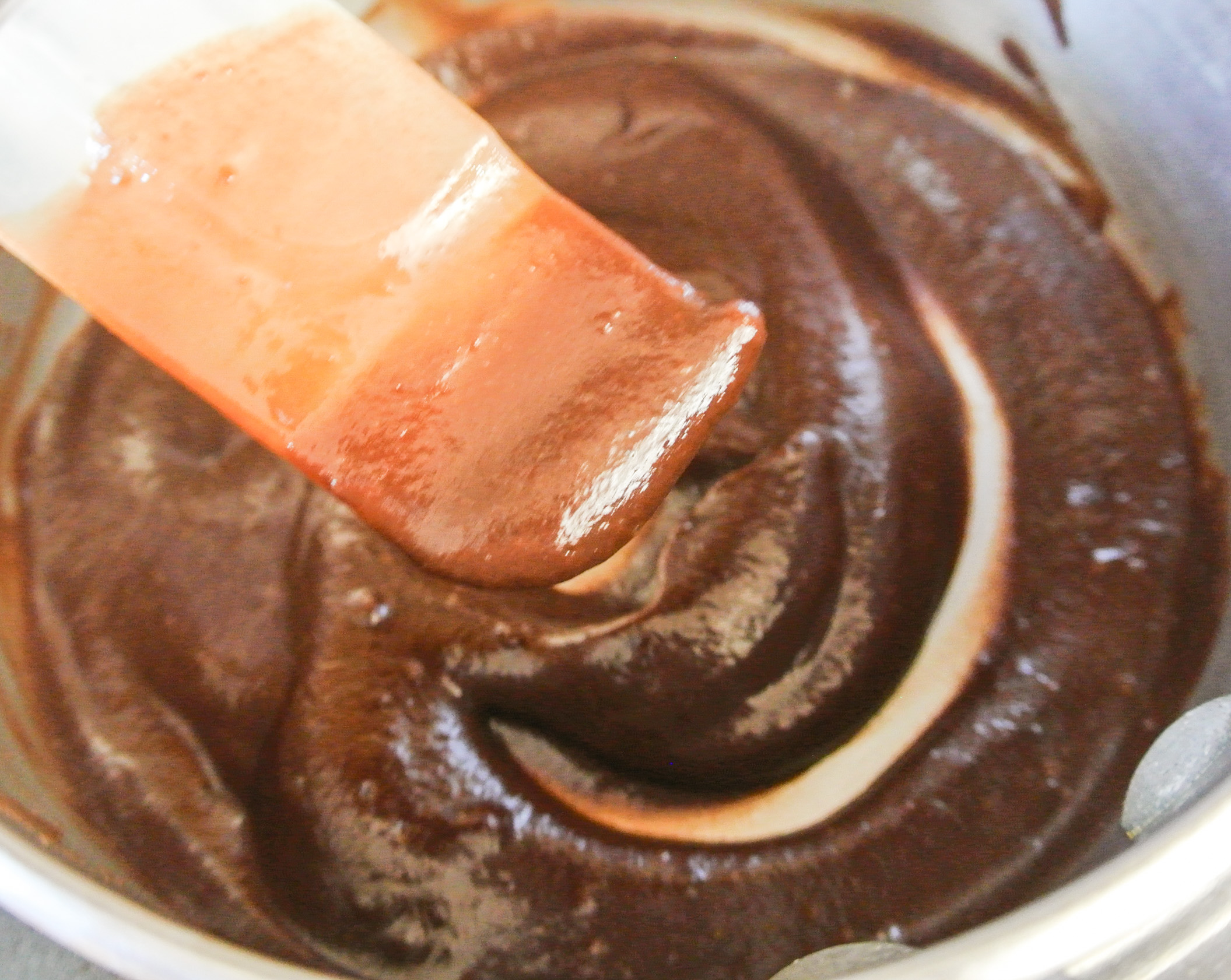
Chocolate sauce*:

  • ½ cup plant milk –> I’m using almond.
  • 3-4 pitted mejool dates (depending on size) –> I’m using 4.
  • 1 tbsp unsweetened cocoa powder

*Chocolate not your thing? You could also make caramel or melt nut butter to top your nice cream. 🙂

Combine all ingredients in a blender. Pour into a sauce pan on the stovetop over medium high heat. Bring to a boil and then reduce the heat to medium low. Simmer for about five minutes until sauce has thickened slightly. Cool to a palatable temperature before serving.

DSC_2293

Leftovers? Store in a glass container in the fridge. Heat and add additional plant milk (if necessary) to thin out when using again.

Whipped coconut cream:

  • 1 can coconut cream or full fat coconut milk –> I’m using cream.
  • Powdered sweetener to taste (start with ¼ cup) –> I’m using ¼ + 1/8 cups powdered turbinado sugar.
  • ¼-½ tsp extract (depending on flavor intensity) (optional) –> I’m using ¼ tsp vanilla.
  • 1 pinch-¼ tsp spices (optional) –> I’m using a healthy pinch of cinnamon.

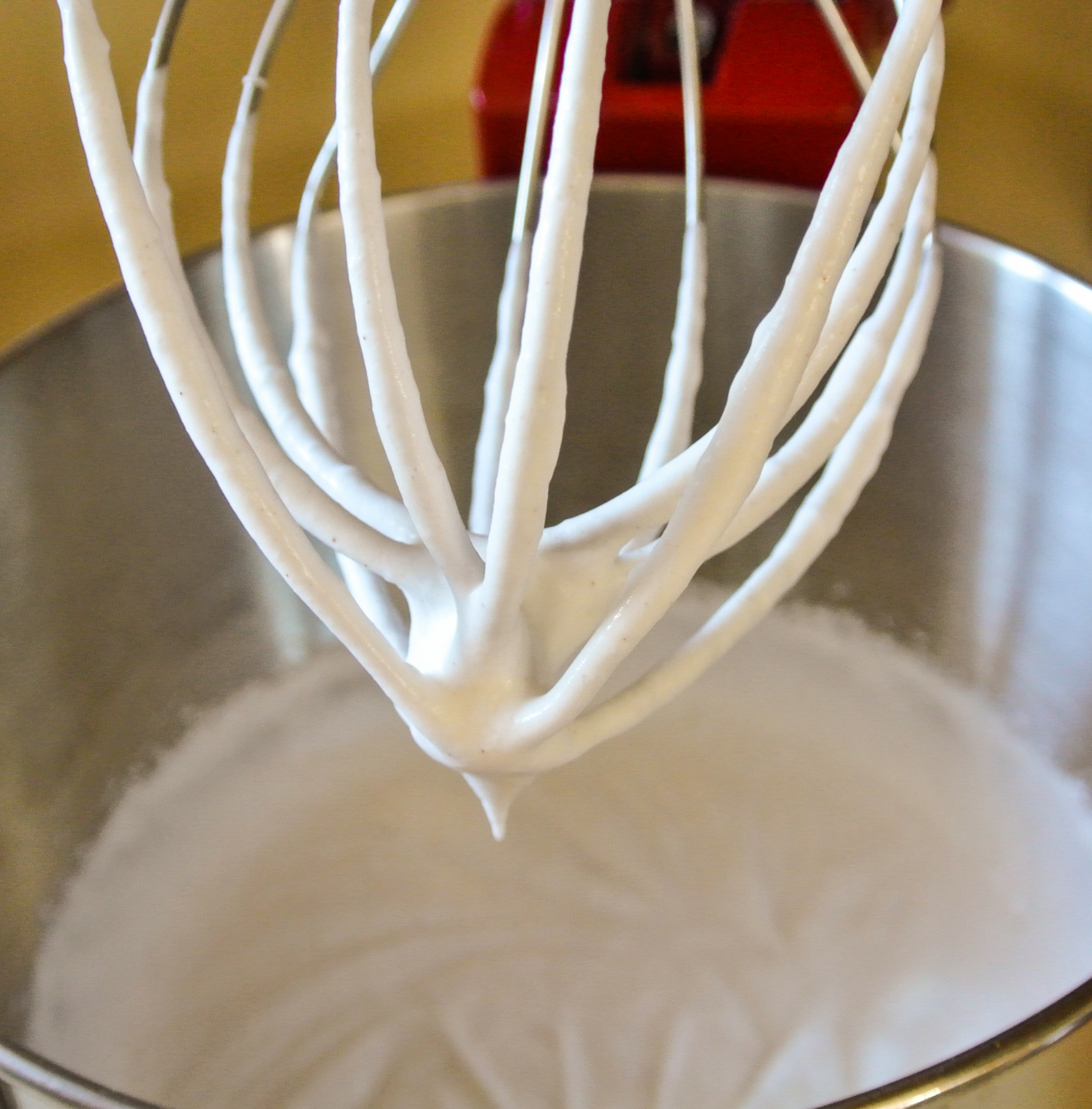
Chill your can of coconut cream/milk in the fridge overnight. After your nice cream is tucked away in the freezer and your sauce is cooling, remove your chilled mixing bowl from the fridge. Empty the can into the bowl and whip with a hand or stand mixer until smooth and creamy, about a minute. Add sweetener (and extract and spices, if using) and continue whipping until smooth and fluffy, about 3-5 minutes. This whipped cream will not quite achieve the height and stiffness of dairy whipped cream, but it will become a bit fluffy nonetheless. Store any extras in the fridge.

DSC_2295

Assemble your nice cream sundae and absolutely, enjoy!  Take it from Nolan:  “It’s so good!”

DSC_2300 DSC_2302

Salsa Verde with Semi-Homemade Chips

If you thought making my basic raw salsa was easy, you’ll appreciate the simplicity of my salsa verde, which uses nearly the same formula.  Although there is one extra step—cooking the tomatillos—one step is removed:  the fine dicing.  Salsa verde comes together with a food processor and requires only coarse chopping (we’re talking a few big pieces) of an onion.  And, just like my other salsa, this one is salt-free.  A win-win!

The basis of salsa verde is the tomatillo.  The tomatillo is a green vegetable that comes in a husk like corn (husk removed in the picture below), but resembles a tomato in appearance and interior texture.  It is loaded with vitamin C, fiber, and niacin and has a tart, somewhat bitter flavor.  The best way to describe a raw tomatillo is that it is hard and green when it is ripe, unlike traditional red, yellow, or orange tomatoes that are at this stage when they are just beginning to grow.  As a result of tomatillos’ tough outer texture, they are traditionally cooked in some way before becoming a salsa or sauce.

DSC_2268

As you know, I try to eat most of my fruits and vegetables raw, but I recently learned that tomatoes are one of the few vegetables (or fruits, technically) that are actually more nutritious in a cooked state.  In my research, I couldn’t find whether or not this applies to tomatillos as well—despite their resemblance, they aren’t tomatoes—but since I’m cooking them regardless, I’m just going to go with it and assume that I am reaping their maximum nutritional benefits!  (I am opting for simmering rather than roasting, which typically requires the addition of some oil, which you’ll see, I’m using plenty of below.)

The second component of today’s snack is the semi-homemade tortilla chips.  When they are offered with our weekly Bountiful Basket, Travis and I always pay a little extra for a variety pack of tortillas.  In addition to plain, the variety pack typically offers tortillas made with spinach, tomato and basil, and chipotle peppers, too.  We keep one flavor in the fridge for veggie wraps and the rest in the freezer.

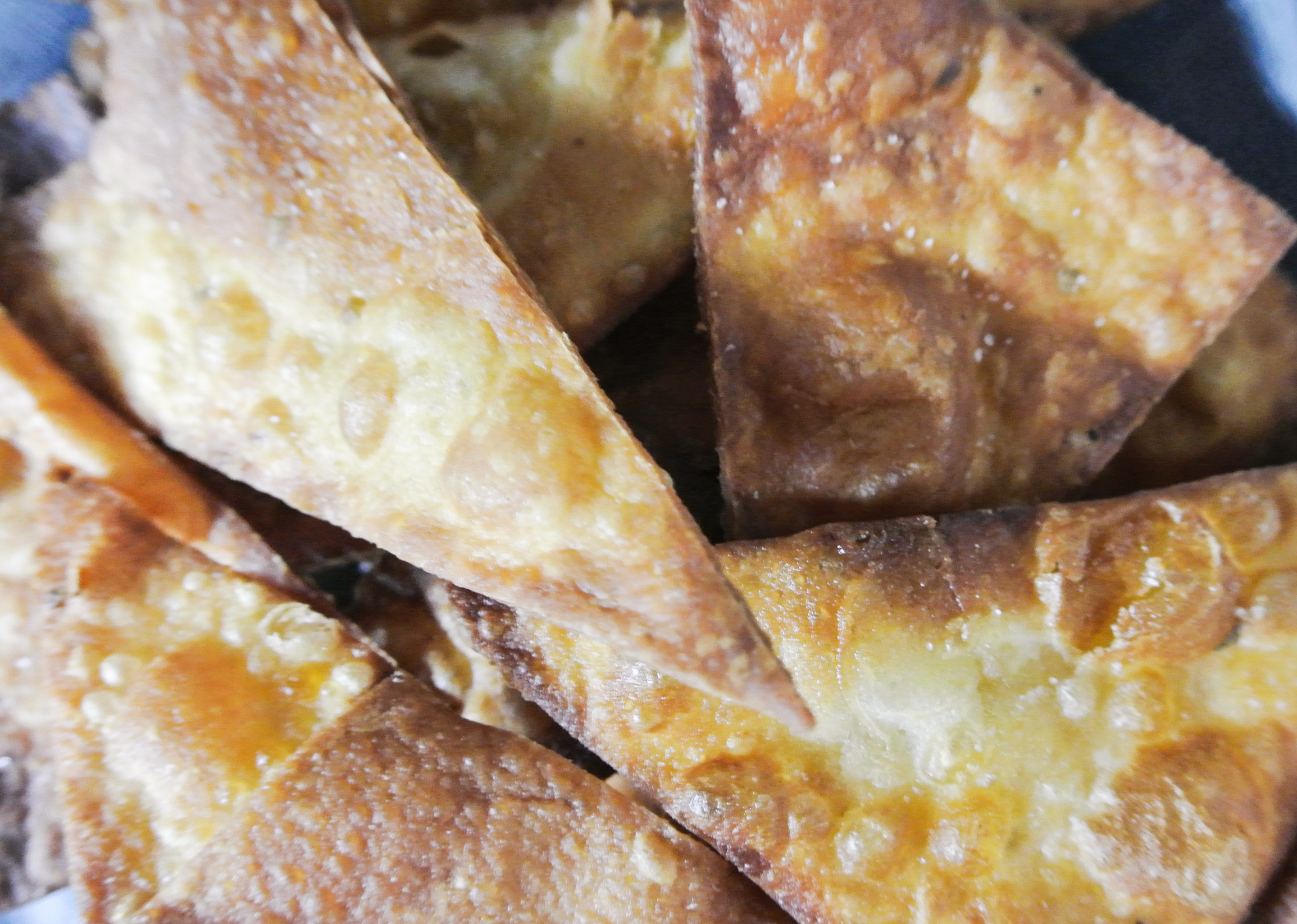
Every once in a while, we don’t go through the fridge wraps before one or two start to get stale on the edges.  In the event that this occurs, not one to waste food and always innovating in the kitchen, I bust out our little deep fryer and turn the slowly hardening tortillas into semi-homemade chips.  Obviously, frying food isn’t its healthiest preparation option, but the occasional batch of prepared-at-home tortilla chips is a nice alternative to the store-bought dippers that are high in sodium and oftentimes fried as well.  (When I do buy store bought, you know I love Simply Balanced organic blue corn tortilla chips with flaxseed!)

I figure that if I’m going to eat something fried, I’d like to control the quality.  Travis and I use peanut oil, which is among the oils tolerant to high cooking temperatures.  I finish them with a light dusting of pink Himalayan sea salt.  One large tortilla makes ten to fifteen chips, depending on how you cut it.

You can, of course, buy chips for dipping or use your salsa verde in a number of other applications.  Layer it in a cheaper-than-but-inspired-by-Chipotle burrito bowl, marinate tofu or mushrooms for tacos or lettuce wraps, or thin it out for a quick and healthy salad dressing.  Salsa verde is delicious, nutritious, and versatile.  Enjoy!

FORMULA BASE:  SALSA VERDE

  • 1 ½-2* pounds whole husked tomatillos
  • ½ of a medium onion –>  I’m using yellow.
  • 1 large whole clove of garlic, peeled
  • ½ cup fresh herbs  –>  I’m using cilantro.
  • ¼ cup acid (vinegar or citrus juice**)  –>  I’m using lime juice.
  • Seasoning to taste

*Use fewer tomatillos if you would like to add extras like jalapeños or other peppers, or even fruit.

**Whenever possible, juice whole citrus fruits yourself. 🙂

Place your whole tomatillos in a deep sauté pan and cover with water to the best of your ability.  The tomatillos will bob and float a bit.  Bring the water to a boil and then turn down to medium high heat.  Simmer the tomatillos for 10 minutes, flipping over halfway through.

DSC_2269

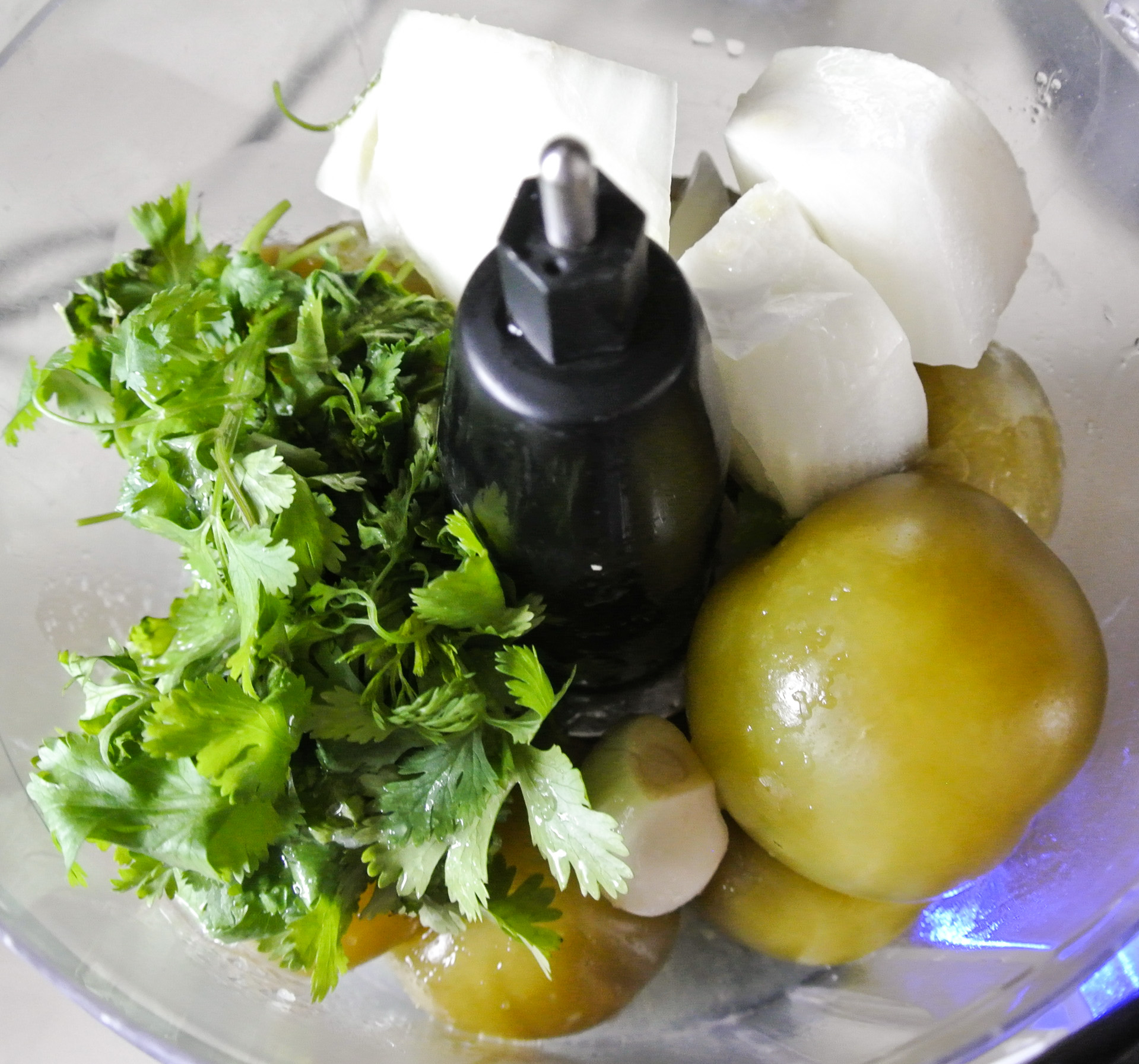
Coarsely chunk your onion and any other vegetables (optional) that you’re adding to your salsa.  Place all ingredients–including the soft, whole, cooked tomatillos–into a food processor and pulse or puree until desired consistency is achieved.  Chill before serving and store in the fridge for a few days.

DSC_2280 DSC_2282

To make your own semi-homemade chips:

Preheat oil according to deep fryer directions or on the stove top in a sauté pan (about a 1 ½-in depth) over medium high heat.  Using a serrated knife, cut a soft tortilla(s) into triangles or the shape of your choice.

DSC_2275

Line a mixing or serving bowl with paper towel.  When the oil is to temperature, drop the tortilla triangles in in batches, ensuring that the cooking vessel isn’t crowded with overlapping chips.  Fry for 10-20 seconds on each side or until the edges start to lightly brown.  Empty into the mixing bowl and lightly dust with pink Himalayan sea salt, if you wish.  Repeat until all triangles are fried.  Let cool and enjoy with your salsa verde, raw salsa, or another dip (see my hummus or pesto for ideas).

DSC_2277

Cherry Cordial Dessert Smoothie

As mentioned a few times now (ok, maybe a lot of times!), I am craving sweets in this second pregnancy.  I’m happy to report that I’m now twenty-two weeks along, the baby is healthy, and I’m getting all the sweets I want, the Fresh Formula way.  (Don’t worry, I’m still eating a boat load of veggies, whole grains, beans, and nuts, too.)

If you’ve been tuning in recently, you’ve seen my peanut butter and jelly smoothie, homemade jam formula, and an epic cherry pie, all working together to satisfy my sweet tooth with little to no added sweetener.  Today’s cherry cordial dessert smoothie incorporates elements of one of my favorite candies, the abundance of cherries I am still consuming from my latest Bountiful Basket victory, and a whole bunch of nutritious deliciousness that will leave me satisfied and guilt-free.

Traditionally, the cherry cordial is a cherry and sweet syrup inside of a dark chocolate shell.  If you’ve never had one, at some point, splurge and please do.  They are so so so decadently yummy!  Could I sit down and eat the better part of a box right now?  You bet…but I won’t.  With my latest dessert smoothie concoction (the first being my chocolate peanut butter version), I get all there is to love about the classic cherry cordial without the added sugar.

With babies on the brain, I’m also thinking about two-year-old Nolan when I come up with one of these recipes.  I totally let Nolan dig in to a traditional dessert on occasion—the boy hasn’t met an ice cream he didn’t like—but by “on occasion” I mean I can literally count on less than two hands the number of times he’s eaten a dessert with animal products in it.  Because he rarely sees or consumes something like ice cream, he knows it’s a special treat and honestly, would be even happier with one of my dessert smoothies any day.  In our house, he doesn’t beg for ice cream, hot dogs, and chicken nuggets; he wakes up shouting “Chocolate smoothie!” instead.  🙂

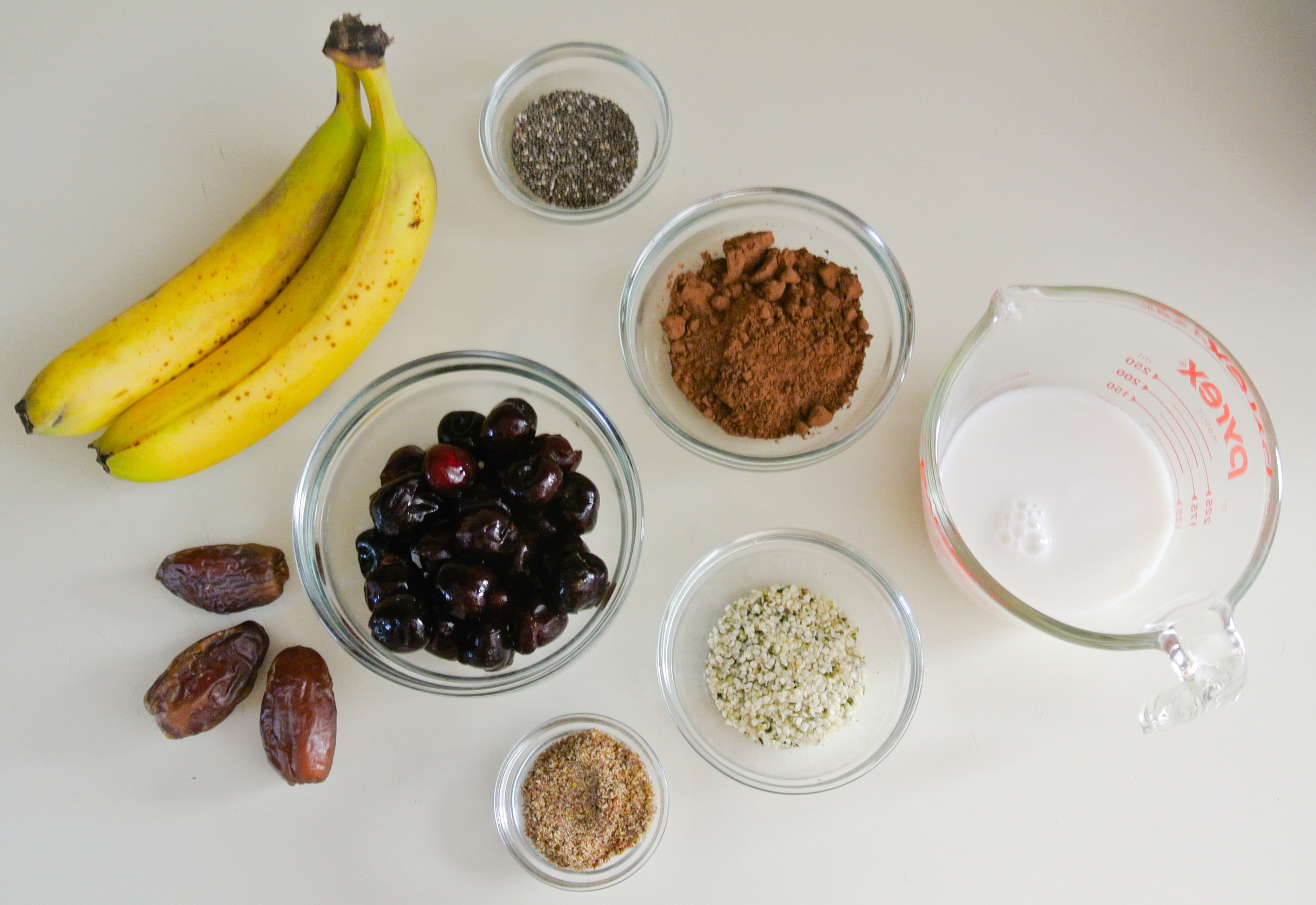
Even these dessert smoothies are a “special treat” compared to the super food smoothies we make regularly.  As much as a two-year-old can, Nolan has developed quite the sophisticated palate and definitely knows the difference between routine healthy eating and special treats, like this one, that are often super healthy, too, especially when compared with other varieties.  I mean, look at the ingredients:

DSC_2254

The point is, this is “dessert” I feel excited about feeding my toddler and unborn child, so it’s definitely a-ok for me, Travis, and you, too.  Enjoy!

FORMULA BASE:  DESSERT SMOOTHIE

Serves 2-3

  • 2 frozen bananas (or fresh bananas and ice)
  • ½-1 cup specialty ingredients –> I’m using ¾ cup pitted sweet red cherries* and ¼ cup unsweetened cocoa powder.
  • 1 tbsp chia seeds
  • 1 tbsp ground flax seeds
  • 1 tbsp hulled hemp seeds
  • ¼-½ tsp extract of choice (optional, and amount depends on flavor intensity) –> I’m using ¼ tsp almond.
  • Pitted medjool dates as needed for sweetness –> I’m using 3.
  • Juice or plant milk until desired consistency (start with 4 oz) –> I’m using the minimum in almond.

*After I made this, Travis said he wanted more cherries.  Can’t go wrong with that.  Make it a full cup if you really like ’em!

Place all ingredients in a blender and puree until smooth, adjusting specialty ingredients as necessary.

DSC_2259

‘Tis the Season for Cherries

‘TIS THE SEASON FOR CHERRIES

While I’m not enjoying Phoenix’s 100 degree+ summer temperatures, I am loving that some of my favorite fruits are in season:  berries, stone fruits, melons, and cherries.  I’ve capitalized on numerous opportunities to stock up on these for cheap through our Bountiful Basket co-op.  This past weekend, I scored eighteen pounds of cherries for $1.59/pound – a smokin’ deal!

While I will surely eat most of these in salads, snacks, and breakfasts, I know I won’t get to all of them before they spoil, so I need to get creative.  I’m making a good portion of the cherries into jam (see my jam formula), am dehydrating a bunch to chop and add to my granola, and today, have even attempted a totally vegan cherry pie.  As with all of my formulas, this pie is lower in fat, sodium, and sugar than many (if not most) typical animal-product versions and of course, cholesterol-free.
What I came to discover in researching making a pie from scratch is that there are actually very few ingredients involved.  Of course, the fruit is the star and the crust is a close second.  I prefer to consume fruit raw and for the most part, under-ripe; in other words, I prefer fruit rock hard and crunchy.  So, the fruit preparation in pie kind of goes against how I prefer to eat it, thus making a crisp crust essential to balance out what to me, is “mushy” fruit.

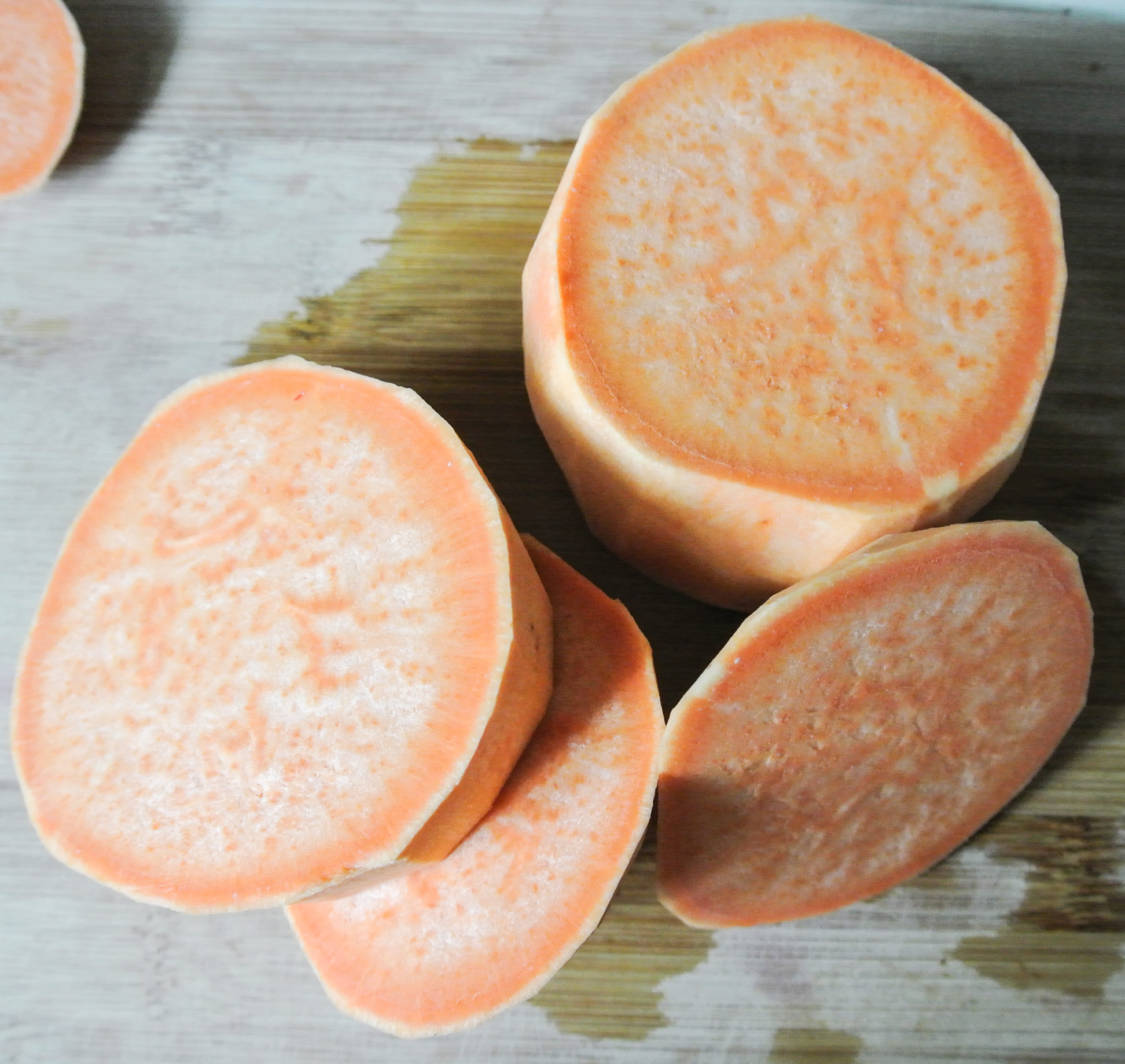
Pie crust needs something to make it rich and dense.  In an ordinary pie, this is usually butter or some other form of fat.  My crust incorporates a little fat—from coconut oil—but achieves the bulk of its density from the garnet yam.  What?!  In my pie crust research, I came across a vegan blogger who uses banana in lieu of most of the typical fat.  In creating my formula, I thought that I would do the same, but didn’t have any ripe bananas on hand (for like the first time ever in my life!).  True to my Fresh Formula concept, I got creative and decided to substitute a garnet yam I had sitting on the counter.

As I explained while introducing you to my curry formula, yams are not sweet potatoes.  Although similar in taste and texture, sweet potatoes—often pale yellow inside—boast greater nutritional benefits, not that the yam is a poor choice whatsoever!  Many people use what they think are sweet potatoes in Thanksgiving dishes because of the appealing bright orange color.  With that said, beyond an attractive appearance, yams are also loaded with fiber, protein, and vitamins A and C.

DSC_2222I’m proud to have developed a formula that combines the flavors and textures I love while packing a ton of nutrients.  Cherries, in particular, have a number of amazing health benefits.  The most significant reason to chow down on cherries, in my opinion, is that they can help boost your melatonin production, thus resulting in better sleep.  Now five months pregnant with a babe that is constantly on the move and a bladder that has been squished to what seems like the size of a thimble, sleep is becoming more difficult; cherry season couldn’t have come at a better time!

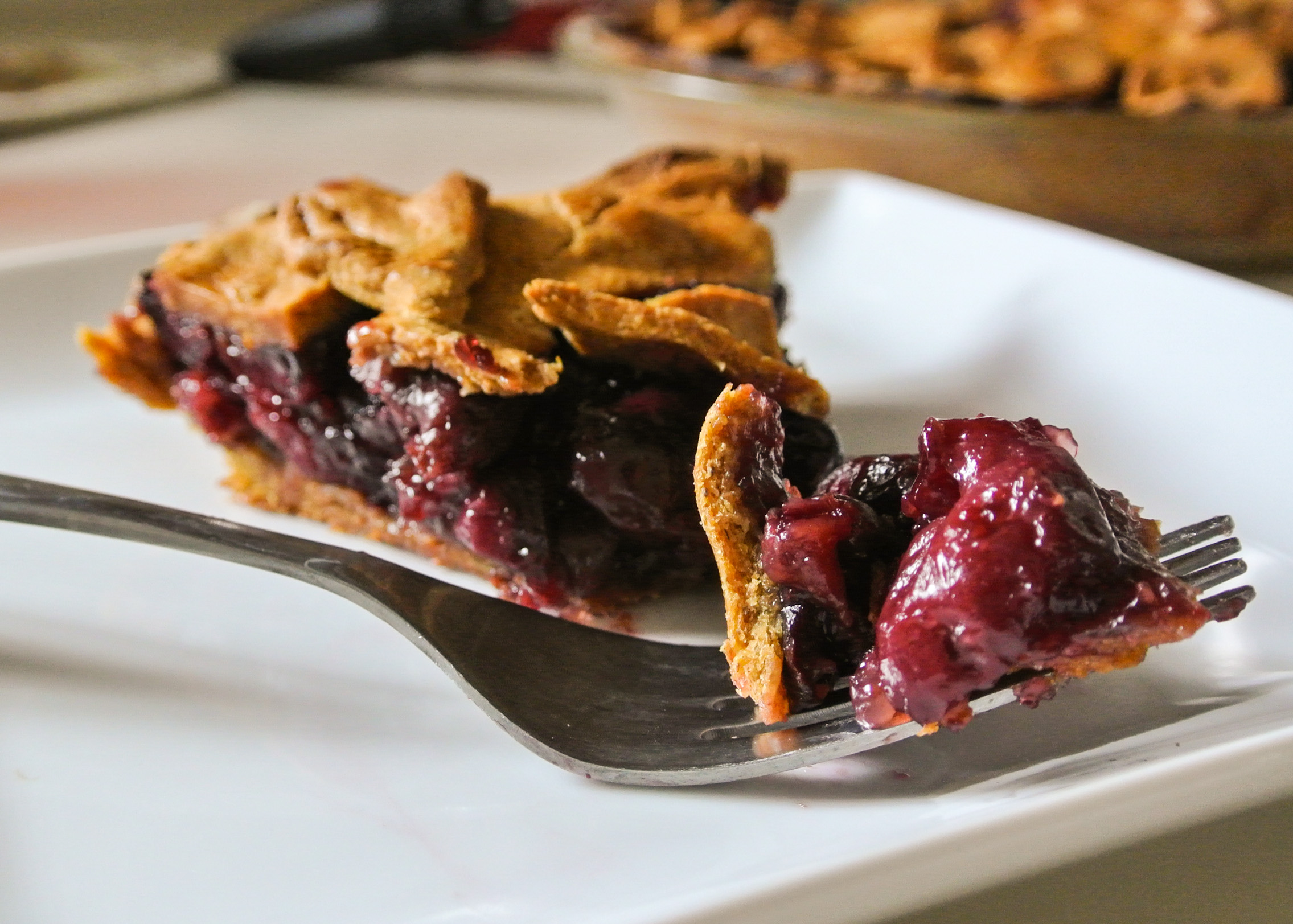
DSC_2224Take this pie to your next summer barbeque and see if anyone even notices that it’s vegan.  🙂  Depending on how many cherries you have on hand, you can also make multiple pies and freeze them for when cherry season has long passed.  Enjoy!

FORMULA BASE:  FRUIT PIE

Makes 1 pie

For the crust:

  • 2 cups flour (+ ½ cup for dusting your work surface)  –>  I’m using whole wheat.
  • 1 cup mashed fruit or vegetable (e.g. banana, potato, applesauce, etc.)  –>  I’m using garnet yam, peeled and boiled.
  • ¼ cup chilled oil (+ 1 tbsp for greasing the pie plate)  –>  I’m using coconut.
  • ¼ ice cold water (literally, float ice in it while you’re prepping other ingredients)
  • 1 tbsp sweetener (+ 1 tbsp for topping the crust once the pie is assembled) –>  I’m using 100% pure maple syrup.
  • ½ tsp pink Himalayan sea salt
  • 1 tsp spices (optional)  –>  I’m using ½ tsp cinnamon, ¼ tsp nutmeg, and ¼ tsp cardamom.
  • 1 tbsp unsweetened plant milk  –>  I’m using hazelnut.

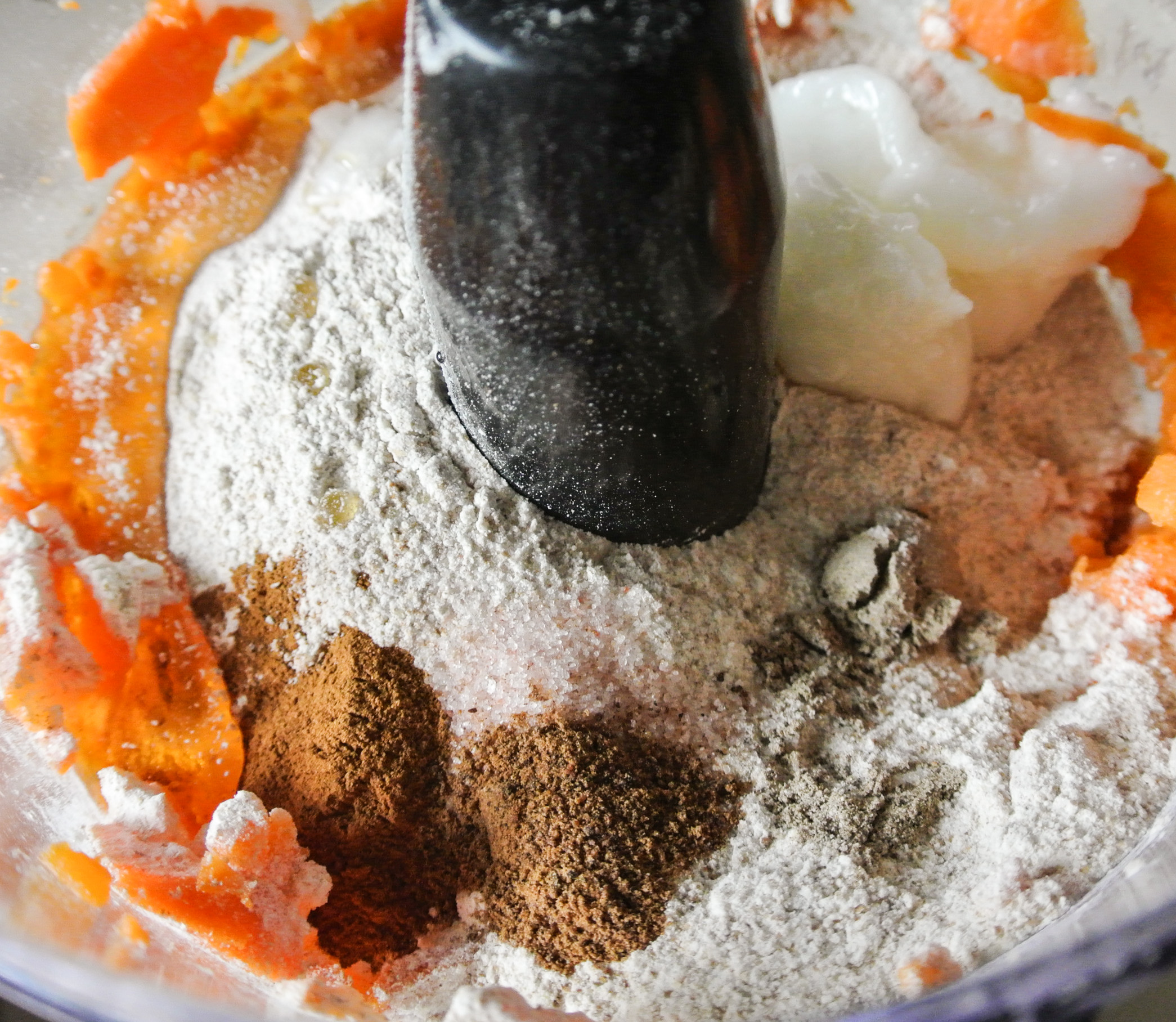
If necessary, peel and steam or boil your fruit/vegetable of choice and cool completely in the fridge or freezer.  Place this fruit/vegetable in your food processor first to puree.  Next, add all remaining ingredients except the water and plant milk.  Start the food processor and stream in the cold water (sans ice) from the top as the ingredients come together.  You should end up with a semi-sticky dough (similar to that of my bread formula).

DSC_2225Sprinkle ¼ cup of the remaining flour onto your preferred work surface.  Empty the dough onto the surface and knead with your hands just until the flour is incorporated and the dough is less sticky.  Place in a bowl, cover, and chill for at least 30 minutes.  Pit cherries while you’re waiting or complete any necessary fruit prep (i.e. peeling and steaming, etc.).

DSC_2229For the filling:

  • 4 cups raw cherries, berries, or another peeled and chopped fruit (e.g. apples, pears, peaches, etc.)  –>  I’m using sweet red cherries.
  • ½ cup sweetener  –>  I’m using turbinado sugar.
  • ¼ cup cornstarch or arrow root  –>  I’m using cornstarch.
  • ½-1 tsp extract (depending on flavor intensity)  –>  I’m using ½ tsp almond.
  • Pinch of pink Himalayan sea salt

If you’re using them, pit your cherries.  This is a long process!  While your dough is chilling, pop down in front of the TV with your cherries and get pittin’!

By the time you’re done preparing those cherries, it’ll be time to preheat your oven to 400 degrees.  Retrieve your chilled dough and separate into two balls:  one is approximately 2/3 of the dough and the other 1/3.  Use remaining flour to dust your work surface and roll out the larger ball.  It should be approximately an 1/8 of an inch thick and in as much of a circle shape as possible – perfection isn’t necessary.

DSC_2230

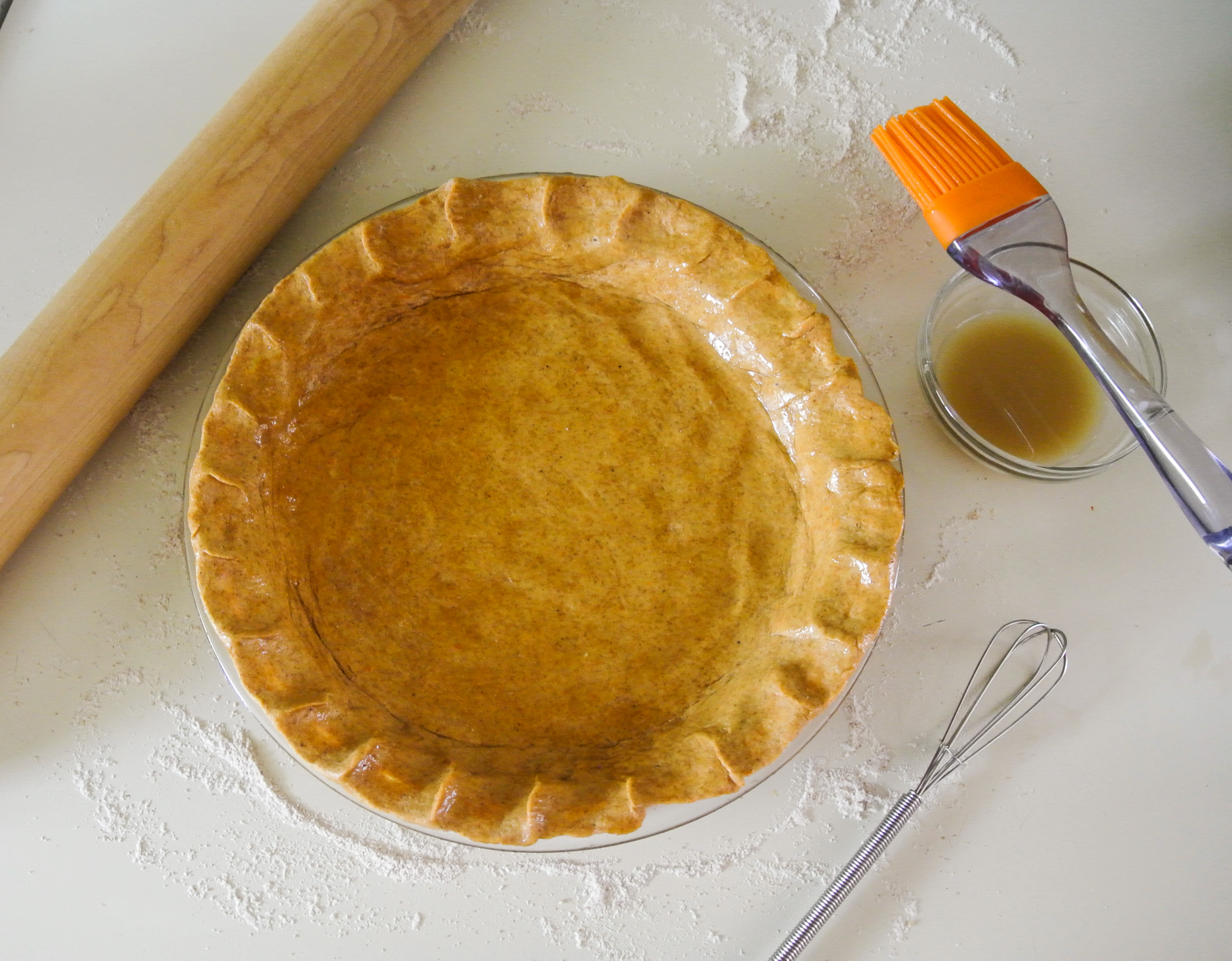
Grease your pie plate.  Carefully lift your smooth, flat circle into your pie plate and press down to coat the entire inside of the plate.  Make sure that this is as even in coverage and thickness as possible.  Again, perfection isn’t necessary.  Pinch the edges of the dough (if that’s your thing!) and mix up your glaze (plant milk + remaining sweetener from crust formula above).  Use a kitchen brush to glaze your crust and poke holes in the bottom to vent.  Set aside remaining glaze.

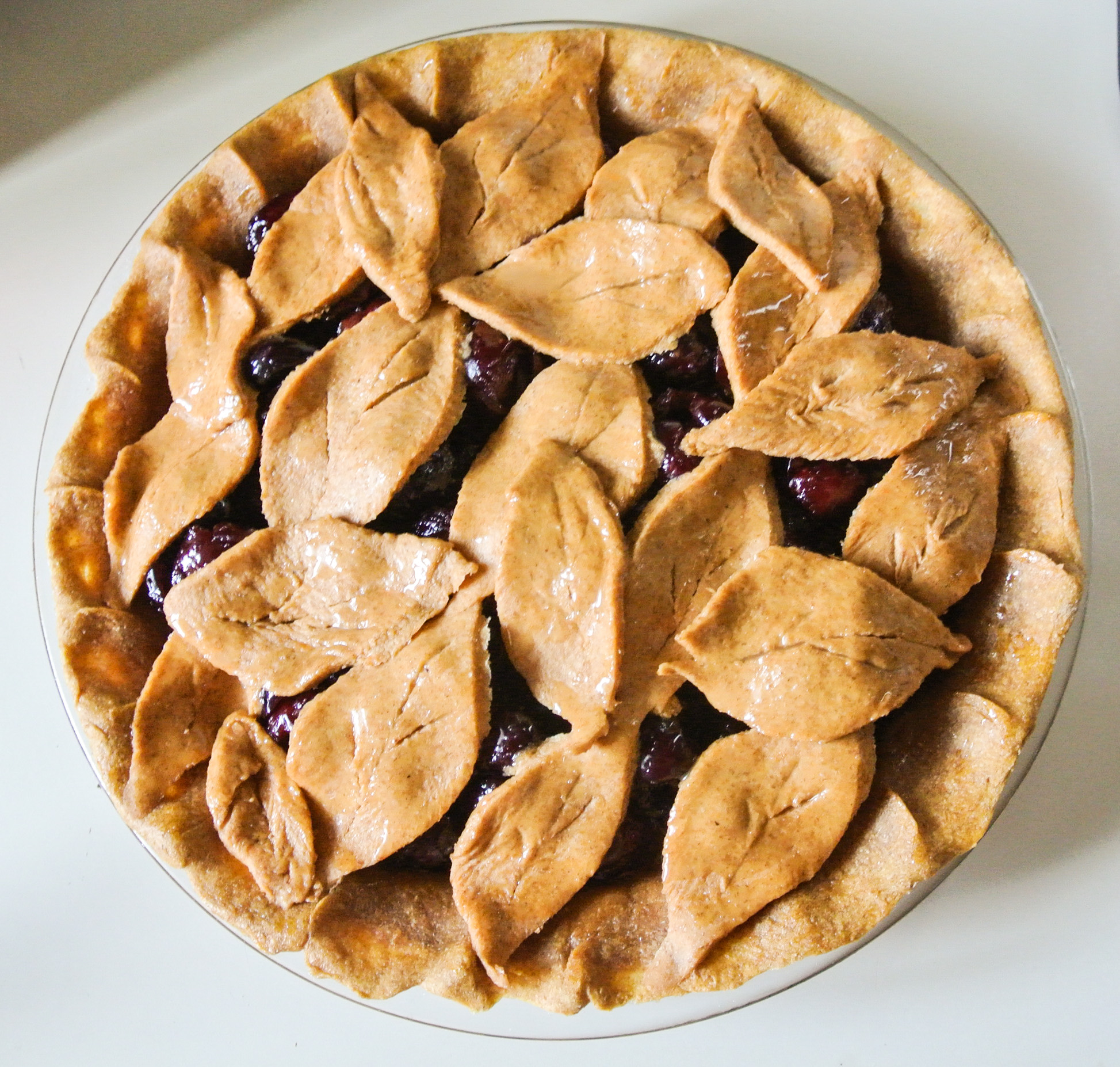
DSC_2231Pre-bake the crust—without the filling—for 10 minutes.  During baking time, roll out the smaller dough ball to the same thickness as the base and cut into your shape of choice.  Want to keep things simple?  Make a nice, smooth circle that you can use to cover the filling completely (slice vents on top).  If you’re feeling adventurous, use a pizza cutter to create strips for a traditional lattice pattern, or use a sharp knife to cut out other shapes.

DSC_2234Once the bottom crust is out of the oven, reduce the temperature to 350 degrees.  Combine all filling ingredients and pour into the pre-baked crust.  Gently top your filling with the remaining dough, pinching the edges to connect it with the bottom crust.  Glaze the top crust and vent if necessary.

DSC_2236 DSC_2239Place the pie back into the oven for 40-50 minutes or until the filling is bubbling and the top crust is golden brown and crisp.  Let cool before serving.

NOTE:  The edges of the crust on my pie are a little overdone.  🙂  Travis said that next time I can prevent this by covering just the circumference of the pie with foil.  Just a tip!

DSC_2244 DSC_2251

Veggie Burgers and Bites

Nearly since he started eating solid food, veggie burgers and bites have been a go-to of mine for getting Nolan to eat vegetables.  Hidden amongst other amazing plants—beans, lentils, grains, and seeds—he has never questioned one of my veggie-packed creations.

DSC_2216

Besides being amazing baby, toddler, and kid food, veggie burgers are delicious and nutritious for everyone.  I’ll admit, I very occasionally miss meat, but I rarely miss meat-based burgers.  To be honest, I feel kind of nauseous thinking about the fat and grease oozing out and soaking the bun (you know how I feel about soggy bread, ya’ll!).  I’ve been making my veggie burgers for my family and friends for years now without complaints…no one even asks for ketchup!

Naturally, the star of a veggie burger is the vegetables.  I finely chop or shred my vegetable(s) of choice and don’t typically precook it as it will cook just enough while baking in the oven.

The other powerhouse in these burgers are whole grains, which I use in many of my formulas, from my curry to multi-grain salad.  The grain of the day for this rendition is kaniwa.  I’m new to kaniwa and thought I would give it a try when I noticed it on sale in bulk next to the quinoa.  A smaller grain that is more like a seed, kaniwa is similar in taste and texture to quinoa.  It contains high levels of flavonoids and makes for an excellent gluten-free substitute that contains B vitamins and other nutrients coveted in whole-grain wheat.  Like many other grains, it is also packed with protein and fiber.

DSC_2203Speaking of protein, I have found that beans or lentils are an excellent “glue” (along with an “egg”) for veggie burgers and bites.  Since I don’t use a chicken egg and breadcrumb combo typical of meat patties and balls, I needed something else to bring the other ingredients together.  I puree my beans or lentils like a hummus before combining them with vegetables, grains, seeds, and spices.

One of my favorite things about this formula is that the burgers can be assembled quickly if you have precooked grains, beans, and lentils on hand.  I often, for instance, cook up a big pot of quinoa when I’m making my super food breakfast muffins knowing that I’ll use the extra quinoa in another dish later on.  Try and plan ahead when you can.

While I typically shape my veggie burger dough into patties or “meat” balls, you could certainly experiment with other shapes if you’re using this formula for entertaining as an appetizer or to entice a picky little eater.  Additionally, the flavor combinations are endless; this formula was born from black beans and quinoa with onions, corn, and bell peppers and today, will be a chickpeas and carrots with onions, garlic, and cumin.  Experiment and enjoy!

FORMULA BASE:  VEGGIE BURGERS

Yields 6 patties (or a varying number of bites)

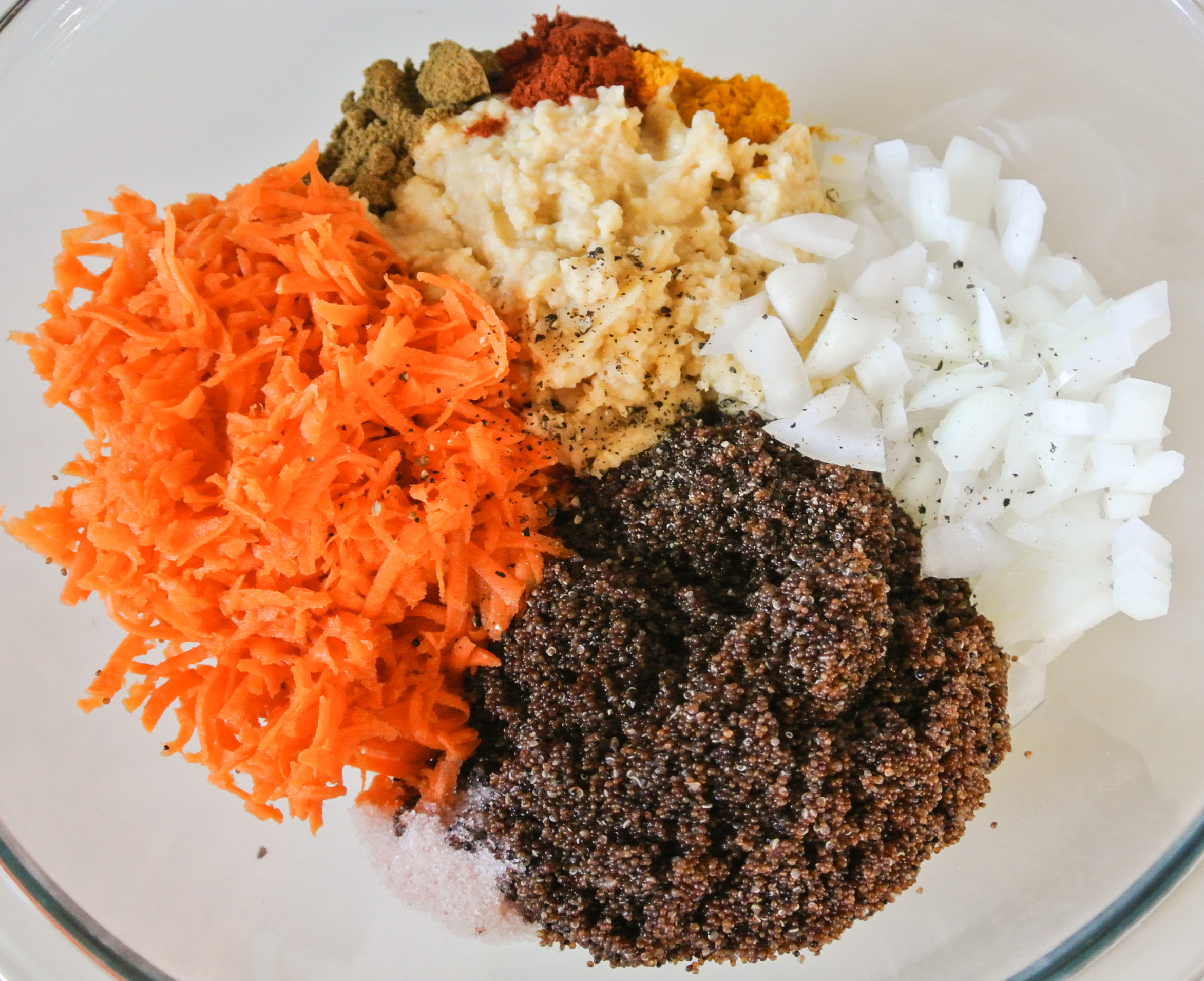
  • 2 cups finely chopped or shredded raw vegetables  –>  I’m using ¼ of a small yellow onion and 1 ½ cups of shredded carrots.
  • 1 cup cooked whole grains  –>  I’m using kaniwa, cooked in homemade veggie stock.
  • 2 cups cooked beans or lentils  –>  I’m using canned, sodium-free chickpeas.  (Remember, cooking dried beans is ALWAYS healthier, but for some reason, those do not agree with my system.)
  • ¼ cup+ liquid for pureeing beans/lentils (i.e. homemade veggie stock, citrus juice, water, unsweetened and unflavored plant milk, oil, etc.)  –>  I’m using lime juice and a splash of extra virgin olive oil.
  • 1 “egg” (1 tbsp chia or flax seeds + 3 tbsps hot water)  –>  I’m using chia.
  • 2-4 cloves raw garlic  –>  I’m using 3.
  • 2 tsps herbs and spices –>  I’m using 1 tsp cumin, ½ tsp turmeric*, and ½ tsp paprika.
  • Pink Himalayan sea salt and fresh ground pepper to taste  –>  I’m using ½ tsp salt and three grinds pepper.

*What’s this?  See my super food smoothie formula.  🙂

If you need to, cook your grains, beans, and/or lentils first.  Once they are finished, preheat your oven to 350 degrees.  Puree the cooked beans/lentils with the garlic until smooth.  Finely chop or shred your vegetables (peel first if necessary) and use a wooden spoon to combine all ingredients except the egg.

DSC_2205

Massage the egg in with your hands.  A thick dough will form.  It should be sticky enough that all ingredients remain together, but not so sticky that your hands are pulling it apart in trying to form shapes.

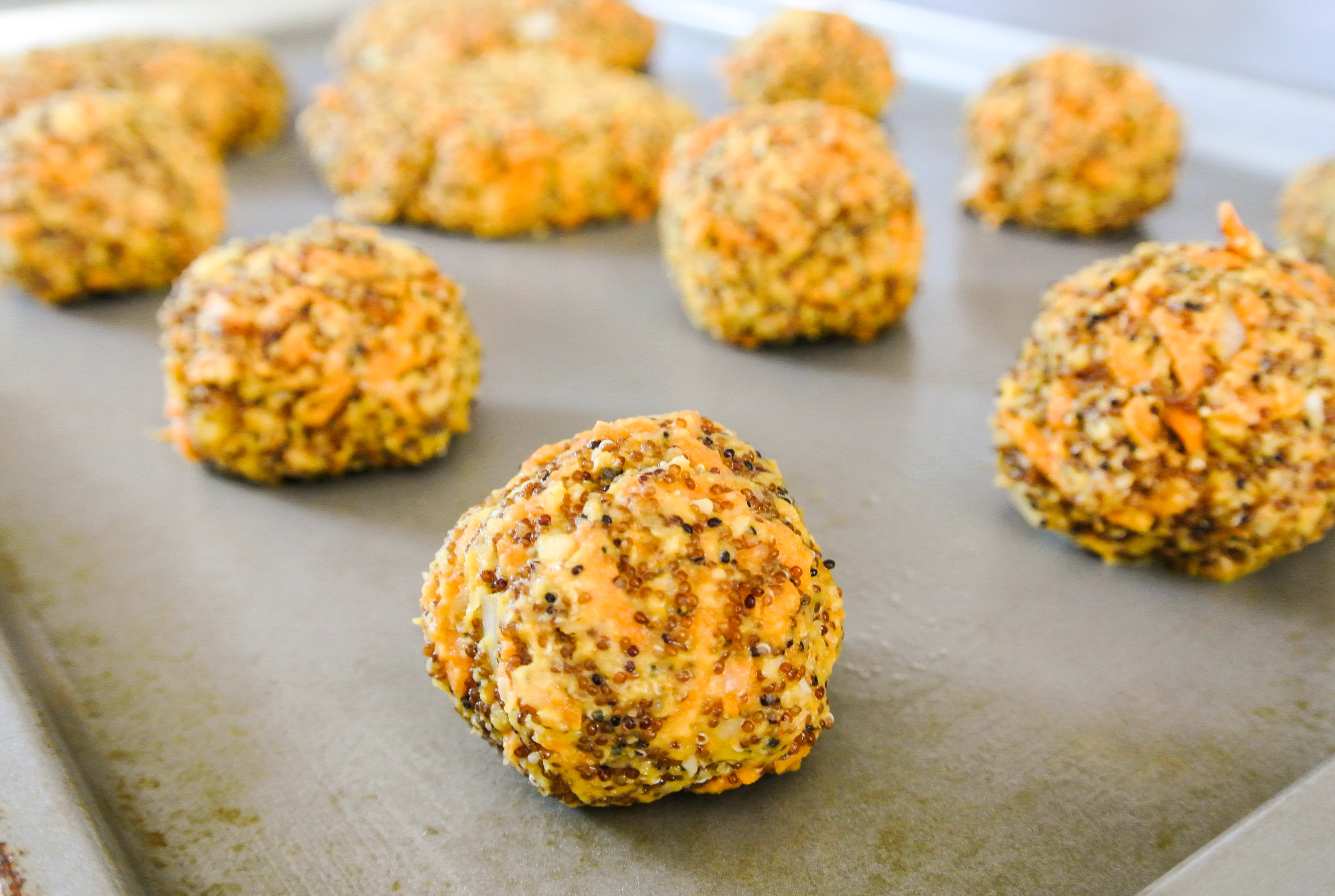
Lightly grease a baking sheet and assemble patties and/or bites.

DSC_2207 DSC_2210

Cook times will vary depending on shape and thickness.  It takes me, for example, typically about 40-45 minutes for patties or shapes of comparable thickness, flipping halfway through.  Set a timer for twenty minutes to start, check back often, and flip as necessary until your burgers or bites are of a cooked and palatable consistency.

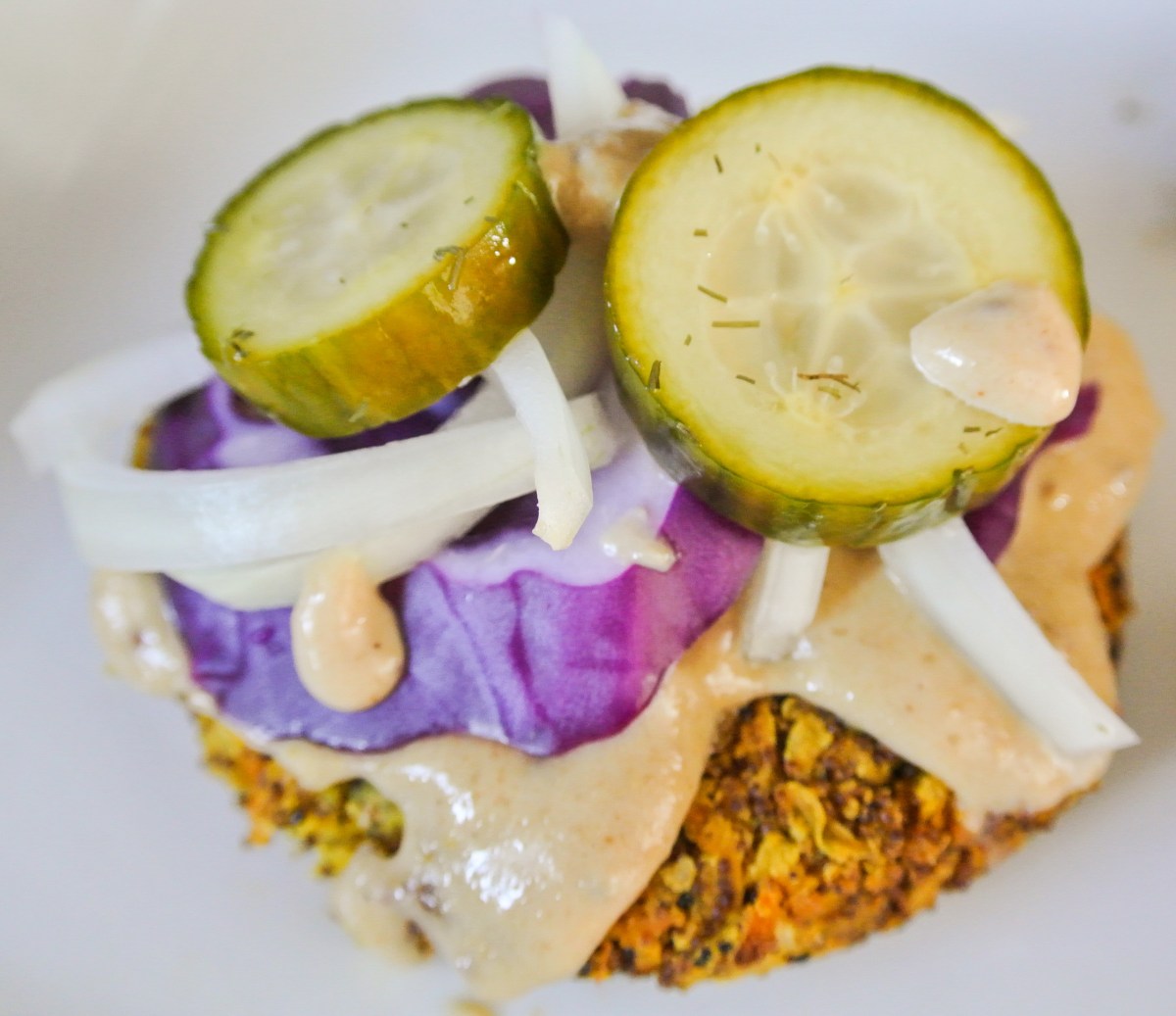
These burgers are so dense and filling that I eat them bun-less, but you can certainly serve them with your bread of choice.  Top with my creamy salad dressing, pesto, or hummus and fresh vegetables.  Travis particularly loves these with my low-sodium pickles on top.  🙂  If you’re serving bites, use one of these sauces as a flavorful dipper and spear with toothpicks.

DSC_2214